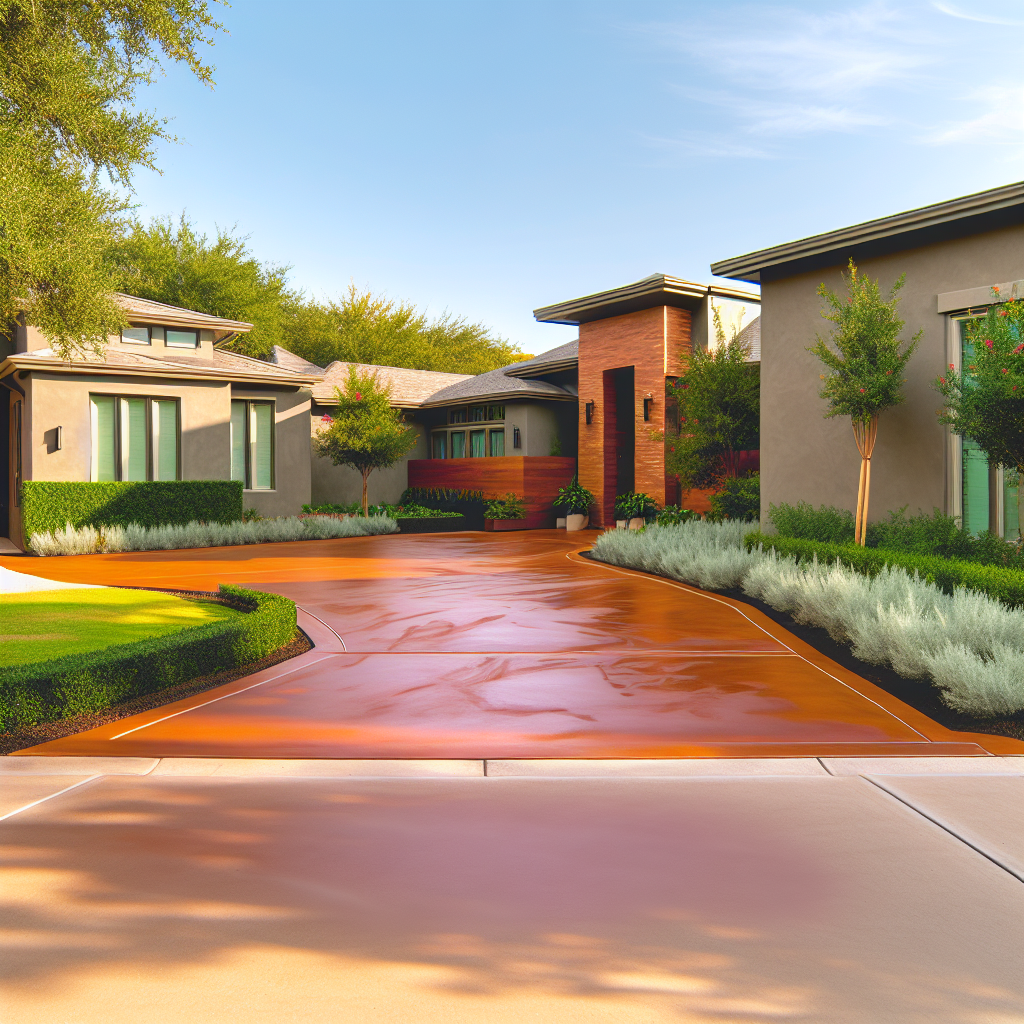
Why Colored Concrete Driveways Are Transforming Residential Curb Appeal
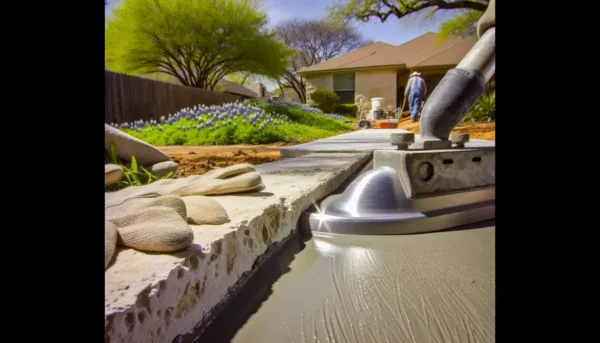
Colored concrete driveways are rapidly changing how homeowners approach curb appeal. These vibrant, durable surfaces offer a striking alternative to traditional gray slabs and have become a top choice for enhancing both beauty and functionality.
Across suburban neighborhoods and trendy districts—from Austin, Texas to the woodsy enclaves of Oregon—residents and travelers alike can’t help but notice this bold shift in exterior design. Whether it’s a terracotta-toned driveway echoing desert landscapes or slate hues that complement a coastal home, colored concrete driveways embody style, utility, and individuality.
What Are Colored Concrete Driveways?
Colored concrete driveways are standard concrete surfaces infused with rich pigments to achieve a specific hue. They incorporate either integral coloring mixed directly into the concrete or surface-applied treatments like stains and dyes. These methods provide a balance of permanence and customizability, letting homeowners align their driveway’s color with the architecture and surrounding landscape.
Integral coloring offers a long-lasting, consistent tone throughout the slab, while surface treatments can create dynamic color variations and mimic other materials like flagstone or reclaimed wood. In Sarasota, Florida, for example, coral-colored driveways reflect Gulf Coast sunsets, blending beauty with regional inspiration.
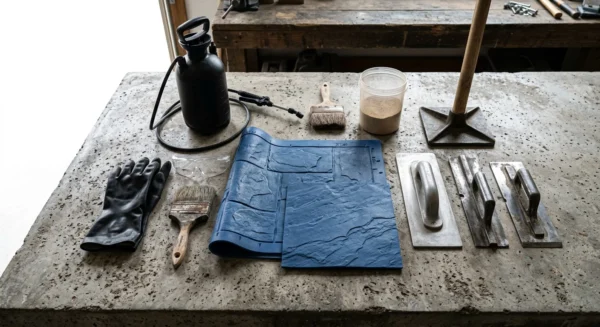
Textured finishes and stamped patterns enhance the effect, enabling driveways to simulate cobblestone alleys of Charleston or rustic pathways in the Rockies. This mix of design and durability makes them a smart choice in diverse climates and communities.
Regional Trends and Design Inspirations
Colored concrete driveways adapt to regional aesthetics across the U.S., reflecting local geography, culture, and climate. In Sedona, Arizona, earthy reds and sienna tones dominate to match the red rock terrain. Homeowners in this art-forward town often draw inspiration from nearby galleries and canyon vistas.
Out west, Portland and Eugene showcase moss green and slate gray concrete styles. These cooler tones blend with the Pacific Northwest’s rainy climate and lush vegetation. Along Alameda Ridge, driveways complement mid-century modern homes with soft eggplant shades and native plant borders, marrying structure with nature.
In Asheville, North Carolina, contractors such as All Seasons Concrete report growing demand for surfaces that mimic Blue Ridge stone. Textured earth tones are trending, and professionals frequently use UV-resistant sealers to preserve vibrancy through seasonal shifts.
Practical Benefits for Homeowners and Travelers
Far from being merely decorative, colored concrete driveways offer real-world advantages. Their durability, low maintenance, and functional design make them ideal for busy families and active lifestyles.
For example, in warm climates like Tucson or Palm Springs, lighter colors stay cooler underfoot—perfect for barefoot kids or pets. Darker shades, on the other hand, excel in masking dirt and holding heat. In snowy towns such as Truckee or Tahoe City, these asphalt alternatives help melt snow faster and maintain traction during cold months.
Vacations and short-term rentals also benefit. Airbnbs labeled “eco-luxury” or “modern rustic” frequently include colored concrete driveways for added charm and safety. Textured finishes offer slip resistance, making them safer during rainy or icy weather—especially important for families with little ones on the go.
Installation Tips and Regional Insights
A successful colored concrete driveway begins with knowledgeable installation. Local climate matters—because curing conditions and soil type influence color depth and surface integrity. In Austin, Texas, where summer heat is intense, contractors like Austin Decorative Concrete begin pours early and may add retarders to extend workability and prevent cracks.
In vineyards of Napa Valley, companies such as North Bay Concrete offer hand-tooled finishes and acid stains to evoke the Old World’s charm. These bespoke methods add a timeless feel, enhancing property value in luxury markets. Pricing typically falls between $8 and $15 per square foot, depending on technique and design complexity.
Before installation, ask your contractor about:
- Color longevity: Integral coloring generally outlasts surface stains.
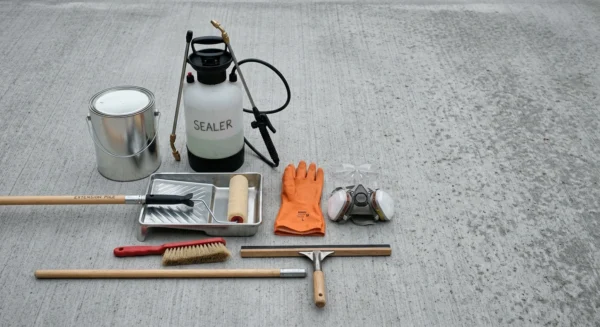
- Sealers: Essential for preserving vibrancy and blocking moisture.
- Safety coatings: Non-slip additives ensure better traction in rain or snow.
- Maintenance: Annual cleaning and sealing every 3–5 years simplify upkeep.
How to Match Colored Concrete With Architecture and Landscapes
To create a cohesive outdoor look, coordinate your driveway color with both your home’s architecture and the surrounding environment. In Cape Cod towns like Chatham, taupe or sand-colored driveways align beautifully with weathered wood shingles and coastal plantings like lavender or beach grass.
In Carmel-by-the-Sea, California, soft rose or driftwood-toned concrete mirrors ocean cliffs and pastel skies. Subtle coloration enhances the romantic feel without overpowering a small front yard. Design details like these transform first impressions and reflect regional artistry.
Lakeside communities like Lake Geneva, Wisconsin, take cues from nature too. Drive through South Lake Shore Drive and notice concrete shades in muted greens and browns that echo shoreline foliage and glacial rocks. These harmonious touches enhance not just curb appeal but a sense of place and story.
Driveway Designs for Active Families and Outdoor Enthusiasts
From evening gatherings to weekend hikes, colored concrete driveways meet the needs of active households. In Boise, Idaho, outdoor lovers often select dark gray or brown tones to hide scuffs from gear and gravel. The result: easy-to-clean spaces that stay handsome year-round.
Denver families frequently pair chocolate-hued stamped concrete with garden beds and playgrounds, extending the design into patios and side paths for a consistent aesthetic. Many local landscapers offer bundled packages for complete outdoor upgrades, often modeled after popular regional events or festivals.
Eco-conscious homeowners in Flagstaff or Big Bear might go a step further with permeable concrete options. These environmentally friendly installations help reduce runoff by allowing water to filter underground—perfect for forest-adjacent homes where conservation matters.
Enhancing Outdoor Living With Colored Concrete Driveways
Colored concrete driveways are reshaping how homeowners think about outdoor design. With options that reflect lifestyle, location, and personality, these surfaces marry form with function. More than just a parking spot, they provide a welcoming entrance, a durable play area, and a blank canvas for storytelling through tone and texture.
As you travel through rustic villages, urban neighborhoods, or coastal retreats, take note of the driveway details. Whether it’s a warm coral in Florida or a slate-toned surface in Oregon, inspiration is everywhere. And when you’re ready to upgrade your own property, colored concrete driveways can turn everyday utility into creative expression.