Concrete Bricks vs. Clay Bricks: What You Need to Know Before Building
Concrete Bricks vs. Clay Bricks is a decision that shapes the comfort, resilience, and sustainability of your space. Whether you’re restoring a colonial courtyard in Mérida or building a guesthouse by Costa Rica’s Nicoya Peninsula, making the right material choice affects not only aesthetics, but also climate adaptability, cultural harmony, and lifespan. This guide breaks down how these two popular building options compare — helping you build smart, without compromising on style or purpose.
Material Composition and How They’re Made
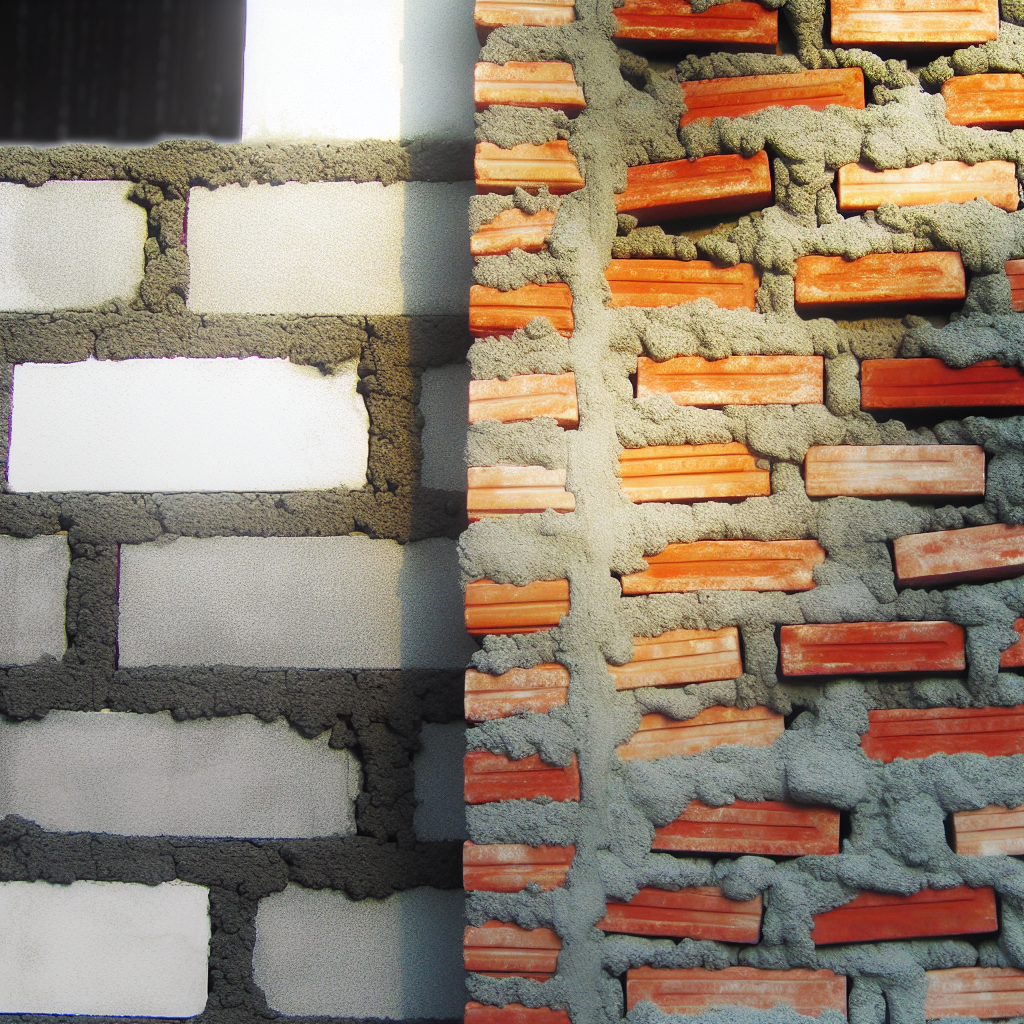
Clay bricks are traditionally molded from natural clay and fired in kilns at temperatures exceeding 1,000°C. Common in historic towns like Antigua Guatemala and Cusco, these bricks carry a rustic elegance tied to centuries of Latin American architecture.
Conversely, concrete bricks are molded from a blend of cement, sand, and aggregates, then cured at room temperature — a more energy-efficient process. In modern cities like Medellín or San José, concrete bricks meet the fast-paced demands of urban expansion without sacrificing quality. Thanks to innovations in pigments and surface textures, concrete options can now closely resemble traditional clay while offering improved consistency and structural strength.
Durability in Different Climates
Material durability is key in environments prone to moisture, heat, or seismic activity. In dry regions like northern Chile or Oaxaca, clay bricks stand out for their breathability and thermal regulation, making them ideal for eco-lodges or year-round homes. Their porous structure keeps interiors cool and reduces energy needs.
On the flip side, concrete bricks outperform in humid or flood-prone areas like Bocas del Toro or Puerto Viejo. Their low absorption rate resists moisture-related damage and prevents structural weakening from mold or mildew. For builds in coastal zones or hurricane regions, concrete offers essential resilience and can be reinforced with steel for added protection in seismic zones — crucial for jungle retreats and tropical campuses.
Insulation and Indoor Comfort
When it comes to temperature and sound, homes in mountain towns like San Cristóbal de las Casas or near Huaraz benefit from clay’s natural insulation. The brick’s density and internal air pockets moderate indoor temperatures, keeping warmth in during cool nights and resisting heat during peak sun hours.
Concrete bricks are slightly less efficient thermally but can be adapted with insulation panels or hollow cores. They shine in acoustic insulation, especially in urban areas or roadside properties like those along Lake Atitlán or San José’s outer suburbs. Concrete helps create a quieter indoor sanctuary — a big bonus for hostels, guesthouses, or family homes near busy routes.
Choosing between Concrete Bricks vs. Clay Bricks for comfort often comes down to local climate and exposure to noise — both vital for restful living.
Costs and Local Availability
Cost is always a key factor, particularly for families or travel-minded developers converting secondary properties. Concrete bricks are generally more affordable on a per-unit basis. In rapidly growing regions such as Cancún or Medellín, they’re mass-produced and benefit from well-established local distribution networks.
Clay bricks, while pricier and more labor-intensive to install, contribute to architectural authenticity in heritage towns like Colonia del Sacramento or Granada, Nicaragua. For restorations or boutiques targeting culturally conscious travelers, the added investment pays off in both appearance and story.
Many builders blend the two: using clay for high-visibility façades and concrete for internal walls or foundations. You’ll even find salvaged colonial clay bricks in Oaxacan markets — perfect for budgets with a passion for history.
Design Aesthetics and Cultural Fit
Your choice of material sets the tone for the entire build. Clay bricks bring visual warmth, color depth, and a tactile nostalgia — especially in places like Trinidad, Cuba or León, Nicaragua. Their handmade feel and varied shades reinforce connection to the land and local culture.
Concrete bricks offer versatility for contemporary aesthetics. Popular in eco-resorts across Nosara or modern villas in Tulum, their clean lines and muted tones invite a minimalist yet bold design style. Concrete pairs well with glass, metal, and natural wood for environmentally conscious builds with modern flair.
Consider what story your architecture will tell. Is it an homage to colonial craftsmanship or a sleek launch pad for surf and adventure? With Concrete Bricks vs. Clay Bricks, the material speaks as loudly as the blueprint.
Construction Speed and Maintenance
Timelines and labor skill impact your build decision. Clay bricks, being smaller and often irregular in shape, require experienced masons and longer build times. In areas like rural Bolivia or Guatemala, skilled labor is more accessible and culturally rooted, turning each wall into a showcase of tradition.
For faster turnarounds — ideal for pop-up retreats or mobile housing projects in Playa Venao or Monteverde — concrete bricks are the go-to. Their uniform size and ease of handling reduce construction time and labor costs. Maintenance-wise, concrete wins again: it’s resistant to cracking, pest infestations, and moisture — all key for tropical settings.
If opting for clay, sourcing from local cooperatives like the Nicaraguan Clayworks Organization (NICO) supports artisanal craftsmanship and ensures quality. Concrete may provide speed, but clay offers soul.
Sustainability and Environmental Impact
Eco-conscious travelers want homes that mirror their sustainable values. Clay bricks require kiln firing, consuming wood or fossil fuels. Yet, because clay is abundant and often sourced nearby — in places like the Valle Sagrado or around Pátzcuaro — it minimizes transport emissions and can be reused or recycled post-demolition.
Concrete production involves cement, a major global CO₂ contributor. However, innovations like fly-ash blends or recycled aggregate bricks, now common in green zones like Tambopata and Santa Elena, make concrete more planet-friendly. For responsible builds, consider using locally produced, eco-modified materials and minimize overuse.
In the Concrete Bricks vs. Clay Bricks debate, no choice is entirely green — but thoughtful sourcing, efficient design, and end-of-life planning make all the difference.
Where to Source and Get Inspired
- San Miguel de Allende, Mexico: Discover densely layered clay brick homes that fuse charm with passive cooling strategies.
- Nosara, Costa Rica: Explore eco-villas that beautifully combine poured concrete shells with clay accents for textural richness.
- Arequipa, Peru: Witness artisans in San Lázaro crafting bricks from local volcanic materials, blending strength with heritage.
- Granada, Nicaragua: Join local tours to see how hand-molded clay bricks become durable, culturally resonant façades.
- Panajachel, Guatemala: Shop for repurposed clay bricks in alley markets — perfect for bohemian patios or tipi-style builds.
Build Smarter with the Right Material
Choosing between Concrete Bricks vs. Clay Bricks goes beyond function — it’s an expression of place, purpose, and principle. Whether you’re building a family hacienda, a jungle cabina, or a boutique rental inspired by travel, let your materials mirror your values. Both options offer beauty and resilience when aligned with your budget, climate, and design goals. Build strong, build smart — and let the walls you raise become part of your story.