Concrete Expansion Joints: Essential for Safe and Durable Outdoor Spaces
Concrete Expansion Joints play a crucial role in every outdoor space you explore—whether you’re strolling the lush walkways of Stanley Park in Vancouver or biking across the sun-drenched sidewalks of Santa Fe. These subtle but essential features ensure trails, promenades, and play areas remain safe, smooth, and inviting. For families with strollers, solo hikers, or cyclists chasing adventure, well-designed joints help prevent unwanted surprises beneath your feet or wheels.
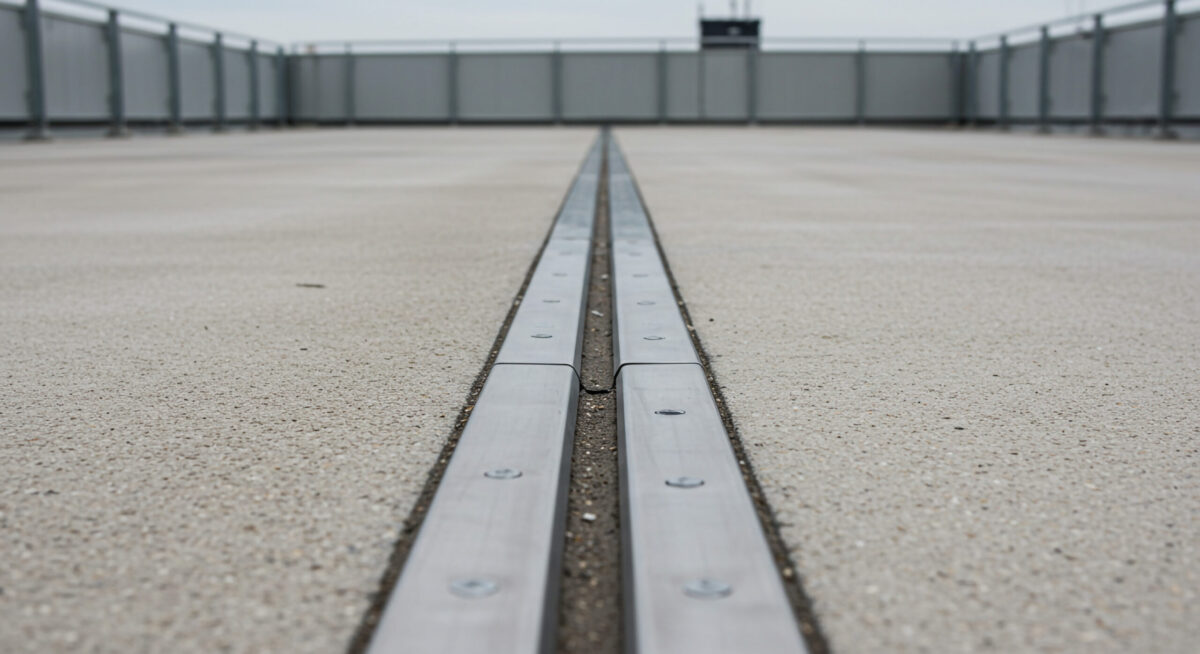
Concrete may seem unyielding, but temperature shifts cause it to expand and contract. Without the flexibility Concrete Expansion Joints provide, those scenic parks and city squares would quickly fall victim to cracks and upheaval. Whether you’re wandering historical plazas or navigating your favorite local trail, understanding how these joints work can elevate your appreciation of the outdoors—and even help you choose safer, better-maintained routes.
Why Concrete Expansion Joints Matter in Every Climate
Think of your favorite public spaces—perhaps the Embarcadero in San Francisco or Austin’s Butler Hike-and-Bike Trail. While you’re enjoying the views, it’s Concrete Expansion Joints that silently support the experience. These joints absorb movement caused by thermal changes, protecting public infrastructure from early deterioration and preventing safety hazards.
In family-favorite locations like Philadelphia’s Franklin Square, seamless surfaces are critical. Children run, parents walk beside them—and even minor surface issues can cause accidents. Concrete Expansion Joints reduce that risk by allowing smooth alignment across slabs. At Colorado’s Red Rocks Amphitheatre, joints prevent damage from wide daily temperature fluctuations, keeping scenic walkways intact for concertgoers and hikers alike.
Walkways on Hawaii’s Big Island near Kalapana endure high heat. Expansion joints in the viewing platforms prevent deformation from intense sun exposure. Further north in Minneapolis, freeze-thaw cycles demand tighter spacing between joints to avoid heaving. These examples show how climate-responsive joint design has broad geographic importance.
From coastal promenades to high-altitude trails, Concrete Expansion Joints are evidence of thoughtful planning. Smooth, well-drained paths with clean joint lines often signal durable, low-maintenance infrastructure—insights every savvy traveler, runner, or cyclist can use.
A Closer Look at the Types and Materials of Concrete Expansion Joints
Not all Concrete Expansion Joints are the same. Knowing the difference between joint types can add a new layer to your travels or even help with backyard renovation projects.
Two Common Joint Types
- Expansion Joints: Designed to accommodate the concrete’s natural expansion and contraction. These are essential in expansive areas like Chicago’s Millennium Park, where temperatures fluctuate drastically.
- Control Joints: Created to guide cracking along predetermined lines. You’ll find these in Boston Common or San Francisco’s Civic Center Plaza, subtly integrated into decorative tiling or concrete design.
Materials Used in Joint Construction
- Asphalt-Impregnated Fiberboard: Common in vintage urban parks and mid-century schoolyards throughout California.
- Rubber/Neoprene Strips: Flexible and ideal for high-traffic footpaths like those in Miami’s beachfront zones.
- Polyurethane or Silicone Sealants: Especially effective in wetter regions like Seattle, helping prevent water infiltration and freeze damage.
Materials and spacing vary by climate and usage. Joints near buildings use compressible fillers, while those beneath curved walkways or amphitheaters may require different treatments. Whether on a farmer’s market platform in Portland or a heritage patio in Savannah, function meets form with every decision in joint construction.
How Concrete Expansion Joints Are Installed
Setting up Concrete Expansion Joints takes more than pouring concrete and hoping for the best. It involves precise planning using environmental data, geometry, and materials best suited for long-term durability.
In areas like Griffith Park in Los Angeles, installers begin by pouring concrete in well-defined sections. Before the mix sets, they insert spacers like joint formers or slats, aligning them based on local weather and surface layout. Spacing typically ranges from every 10 to 20 feet in warm climates, while colder zones might call for tighter gaps.
When the concrete cures, installers clean the joints and add fillers or sealants. Asheville’s walkable downtown, for instance, features color-matched polyurethane in decorative designs, blending performance with aesthetics. In Las Vegas, UV-resistant seals defend against intense sun exposure, while Telluride’s surfaces remain flexible with backer rods and seasonally adjusted sealants to accommodate snowmelt or frost.
Even for DIYers by Lake Champlain or homeowners in historic Savannah, understanding joint layout equips them with the knowledge needed to build safe, long-lasting surfaces. Always consult local codes, as specifications may differ by region and intended use.
Concrete Expansion Joints in Action: Real-World Public Examples
Looking for signs of good urban design? Check how Concrete Expansion Joints are deployed in your environment. Smooth transitions and clean seals speak volumes about maintenance and user safety.
Albuquerque’s Paseo del Bosque Trail, a 16-mile gem for cyclists and joggers, owes much of its reputation to high-quality joint installation. Slip-resistant sealants keep rides smooth year-round. Out west, Oregon’s Eagle Creek Trailhead features elevated platforms with state-of-the-art joint sealants, particularly important in damp, unpredictable weather.
At Houston’s Discovery Green, vibrant sealants line seating-sculpture joints, adding color while maintaining durability. In Sedona’s Tlaquepaque Arts & Shopping Village, decorative patterns are enhanced by strategically placed joints that ensure hillside drainage without detracting from the adobe-era charm.
Toronto’s Distillery District is another excellent case. Renovated brick-and-concrete surfaces feature retrofitted control joints, keeping cobblestones safe for tourists and stroller-bound children alike. These improvements enhance both experience and safety without compromising heritage aesthetics.
Tips From Locals: What to Observe and Ask on Your Next Walk
If you want to explore like a local, start by observing the ground beneath you. Are the joints evenly spaced and filled? Do surfaces shift dramatically between panels? These details reveal how recently an area was maintained and offer early clues about walkability and accessibility.
Ask bike rental staff, park rangers, or long-time joggers for insights. In Seattle, Green Lake Trail’s “new stretch” is popular partly for its upgraded expansion joints. In Charleston, Waterfront Park’s recent repairs are touted by residents for smoother surfacing. Information like this makes your journey easier and more enjoyable.
Rangers at Glacier National Park often suggest viewing areas with appropriately sealed joints, especially important in windy or seismically active sites. Meanwhile, Phoenix skaters frequently favor skateparks with well-spaced joints that help reduce fall risks while boosting performance.
Keep Exploring—With Confidence Beneath Your Feet
From historic squares to modern trailheads, Concrete Expansion Joints are more than just seams in the pavement—they are dynamic, engineered features that shape how we interact with outdoor spaces. They improve safety, extend the life of urban infrastructure, and, when done right, go completely unnoticed… in the best way possible.
Next time you wander the Spanish Colonial streets of Santa Barbara or traverse forested paths in North Carolina’s Pisgah National Forest, take a moment to notice the patterned outlines supporting your journey. With every step, know there’s a smart solution working beneath you—designed to keep you moving forward.