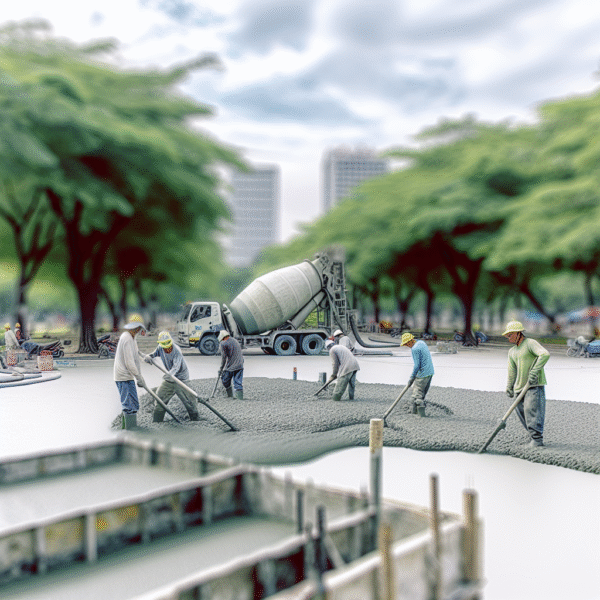
Concrete Testing Methods form the first step toward building the safe, durable public spaces we rely on while exploring the world. Whether you’re wandering a vibrant city square, hiking a remote trail, or strolling a UNESCO heritage district, solid infrastructure is beneath your feet—literally and figuratively. These spaces—from skate parks and boardwalks to historical plazas—are shaped by tested concrete designed to endure. With proper testing, your favorite travel memories are framed by secure, well-engineered environments rather than crumbling facades.
From Colorado’s high-altitude hiking paths to Yucatán’s ancient ruins, these essential testing techniques bridge the gap between structural integrity and unforgettable travel experiences.
Why Concrete Testing Methods Matter on Every Journey
Imagine ascending the concrete path to Clingmans Dome in Tennessee with your kids or navigating the sculpted stairs of British Columbia’s Stawamus Chief trail. These infrastructure elements, set deep within natural environments, owe their strength to meticulous Concrete Testing Methods. Whether you’re crossing a festival-ready bridge or parking at an upgraded trailhead, concrete’s performance is no accident. It’s confirmed through scientific testing designed to secure safety, enhance durability, and complement diverse environments.
Travelers benefit directly. Events run without structural failures, art installations stand proud in city centers, and boardwalks withstand both storm surges and endless pedestrian traffic.
Key Concrete Testing Methods: Field and Lab Essentials
Concrete performs differently according to its surroundings. Mountain weather, coastal humidity, and high seismic activity all influence how it’s mixed, poured, and tested. Below are trusted Concrete Testing Methods that shape durable public infrastructure worldwide:
- Slump Test: This straightforward on-site method measures the concrete’s consistency and workability. It helps confirm that projects like the terraced seating in Austin’s Zilker Park maintain their intended shape during construction.
- Compressive Strength Test: Conducted in a lab by crushing concrete cylinders, this method ensures structural elements—such as the visitor platforms at Mt. Washington—can withstand immense pressure from crowds or snow.
- Rebound Hammer Test: A quick, non-destructive test commonly used near historic districts. It checks surface hardness without altering aesthetics, making it ideal for preserving zones like Quebec City’s Old Town.
- Ultrasonic Pulse Velocity: This advanced method detects internal flaws to ensure long-term reliability. Think of secure riverside seating or amphitheaters where silent strength allows you to relax and enjoy the view.
- Core Cutting and Testing: Engineers analyze precisely cut concrete samples for in-depth material evaluation. It’s vital for high-traffic sites like Denver Union Station, where resilience matters most.
These tests are chosen based on local risks, environmental challenges, and intended use—just like your travel plans are tailored to your destination.
Underrated Travel Gems Built with Concrete Precision
If your travel style leans into exploring off-the-radar spots, you’ll appreciate the critical role of Concrete Testing Methods in shaping those experiences. These less-crowded locations benefit from structural foresight and innovation, ensuring visitor safety without sacrificing charm:
- Marfa, Texas: Known for its artistic vibes, Marfa uses heat-resistant concrete blends tested for desert conditions. Functional installations—from shaded resting areas to skate zones—endure scorching sun and occasional flash floods.
- Fundy Trail Parkway, New Brunswick: This scenic coastal route uses fiber-reinforced concrete tested for both extreme cold and salty air. Lookout decks and cliffside trails owe their longevity to advanced slump and compressive tests.
- Guanajuato, Mexico: The hillside alleys and footpaths of this vibrant town benefit from modern, non-destructive testing. These techniques help reinforce staircases and walkways without disturbing the town’s historic aesthetic.
When you picnic overlooking canyon vistas or wander hillside stairways, you can feel confident that smart testing is supporting your adventure—even if you never see it.
Preserving History: Concrete Testing Methods at Cultural Sites
At iconic heritage locations, where form and function must coexist, Concrete Testing Methods serve as quiet protectors of both history and safety. In Italy’s Appian Way or Turkey’s ancient amphitheaters, engineers use tests like Ultrasonic Pulse Velocity or Ground Penetrating Radar to assess hidden conditions beneath centuries-old walkways.
On Indonesia’s remote Komodo Islands, wildlife viewing platforms are reinforced with post-tensioned concrete. Tests like slump and rapid chloride permeability ensure resistance to corrosive salt air—critical for both people and the environment.
In Japan, train station upgrades in towns like Shirakawa-go demand durability against frequent snowfall. Here, concrete is tested specifically for freeze-thaw cycles, providing secure grandeur to those who come for the region’s winter magic.
Where to Witness Concrete Testing in Action
Concrete might be beneath you, but it’s also something you can look into—literally. Some destinations allow you to explore Concrete Testing Methods up close, merging your love of travel with hands-on learning:
- Portland Cement Association (PCA), Skokie, Illinois: Just outside Chicago, this educational center allows families to explore interactive exhibits that explain testing’s role in everyday infrastructure.
- Ciudades del Futuro Exhibit, Medellín, Colombia: A highlight for forward-thinking travelers. You’ll witness live demos of slump and compressive strength tests while learning about the city’s smart infrastructure innovations.
- Yellowstone Preservation Workshops: Perfect for eco-conscious travelers, these volunteer programs explore heat-resistant concrete testing for walkways in geothermal zones.
For parents, these experiences offer incredible STEM opportunities. For everyone else, they provide a deeper appreciation for what holds today’s travel destinations together.
Concrete Testing Methods and the Future of Travel Infrastructure
With evolving environmental demands and rising tourist numbers, future-ready construction must begin with solid data. Concrete Testing Methods make this possible. In places like Norway’s Trollstigen Visitor Centre or Thailand’s proposed floating walkways, structural resilience is tested long before travelers arrive.
Whether you’re admiring artistic sea walls shaped like coral in Belize or exploring fire-hardened trails in Australia’s Grampians, you’re benefiting from science-backed design. These methods ensure that walkways resist hurricanes, amphitheaters withstand foot traffic, and viewing decks stay secure during seismic activity.
So next time you gaze at sunset from Vienna’s Belvedere gardens or climb the cliffs of Cinque Terre, pause to appreciate the engineering behind the view. Thanks to reliable Concrete Testing Methods, your journey unfolds atop steady, silent strength.