Concrete Underlayment: The Foundation of Every Successful Flooring Project
Concrete Underlayment is the essential starting point for any flooring installation project. Whether you’re revamping a cabin kitchen, upgrading a garage to a sleek home gym, or transforming a van into a mobile living space, this underlayer ensures your surface stays flat, dry, and durable for years to come.
From reclaimed wood in Catskills cottages to patterned tiles in Ubud homestays, the secret to a long-lasting floor often lies beneath. Concrete Underlayment is more than filler—it’s a performance-enhancing step that reduces cracking, improves adhesion, and adapts to any climate or lifestyle. Let’s explore how to make the most of it.
What Is Concrete Underlayment and Why It Matters
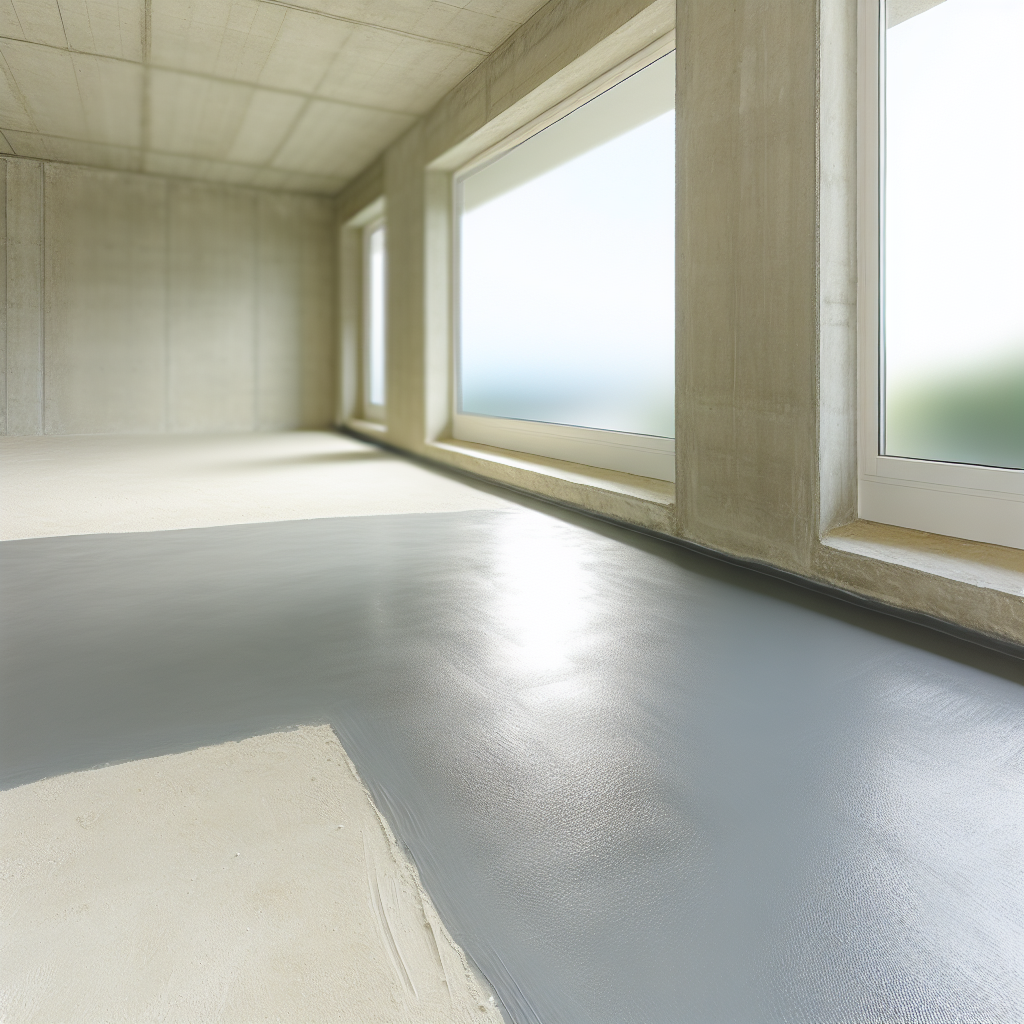
Concrete Underlayment is a thin, smooth layer of concrete or cement-based compound spread over a subfloor to provide a finished surface for flooring. It’s not structural like a subfloor, but it plays a critical role in leveling, bonding, and moisture control—especially when laying tile, vinyl, or engineered wood.
If you’re installing planks in a converted van in Joshua Tree or tiling a cabin near Lake Tahoe, the underlayment determines how well your floor performs. Specialized varieties are tailored for unique environments, from quick-setting blends for Lisbon apartments to moisture-resistant types for basements in Portland, Oregon.
Behind every polished floor in tropical bungalows or industrial lofts is a reliable Concrete Underlayment that resists movement, mold, and wear. Simply put, a high-quality underlayment makes your flooring dreams a resilient reality.
Types of Concrete Underlayment for Every Space
Concrete Underlayment isn’t one-size-fits-all. Your choice should align with your location, floor material, and specific use case. Here’s a quick guide to popular types and where they shine most:
- Self-Leveling Underlayment: This mix flows easily to smooth out uneven floors—perfect for older homes in Hudson Valley or mountain cabins in Vermont. Works well beneath vinyl, tile, and hardwood.
- Feather-Finish Underlayment: A thin, lightweight solution for mobile uses like campervans or tiny homes. Lightweight and quick-setting, it pairs best with carpet or laminates.
- Moisture-Resistant Underlayment: Ideal for wet climates like Northern England or coastal Oregon. Helps protect flooring from warping, mold, and water damage.
- Glass-Fiber-Reinforced Underlayment: Fortified for traffic-heavy areas such as garages or hobby studios in Santa Fe. It handles impact stress and works well under concrete stains or epoxy coatings.
Pro tip: In cold climates—think Park City or Chamonix—opt for mixes compatible with radiant floor heating to enhance energy efficiency and comfort without compromising structure.
How to Prepare for a Flawless Concrete Underlayment Installation
Successful results begin with proper prep. Before applying Concrete Underlayment, inspect your subfloor for cracks, dust, or moisture. Ignoring these issues is like trying to hike Torres del Paine without checking the weather—you’ll regret it later.
Gather your essentials:
- Moisture meter – critical in humid zones like the Florida Keys
- Concrete sander or grinder – great for removing old adhesives or paint
- Gauge rake or trowel – helps spread the mix evenly
- Bucket or pump mixer – match batch size to your project scale
- Primer – boosts adhesion and prevents surface bubbles
Take Asheville, NC as a practical reference. Local contractors start by grinding old coatings off the garage slab. After vacuuming, a primer is applied, followed by a self-leveling layer. Overnight curing ensures a smooth finish ready for tile installation—no cracks, no rework.
Adapting Concrete Underlayment to Climate and Terrain
Your local environment affects how Concrete Underlayment behaves, so always adjust your mix and approach accordingly. Here are examples of climate-smart practices:
- High-altitude regions like Taos, NM face strong temperature swings—use flexible compounds to reduce cracking.
- Coastal zones such as the Outer Banks benefit from additives that resist salt air deterioration.
- Tropical climates like Costa Rica’s Nicoya Peninsula require moisture barriers beneath underlayments to prevent mold buildup from humidity.
- Desert areas like Sedona face rapid drying—cover fresh pours with plastic sheeting to keep hydration levels steady.
Every geographic detail matters. Tailor your underlayment plan to local challenges, and you’ll avoid common issues with curing, adhesion, and longevity.
Avoid These Common Mistakes When Using Concrete Underlayment
Skipping key steps in the Concrete Underlayment process can turn a dream renovation into a costly redo. These common errors are best avoided:
- Applying over unprepared subfloors: Dust or residual glue will block bonding and create hollow spots
- Using the wrong type: Feather-finish underlayments cannot support heavy stone tiles
- Ignoring drying conditions: Hot, cold, or humid environments all affect cure rates
- Improper mixing: Follow exact water ratios—overmixing leads to weak structure
- Rushing floor installation: Let underlayments cure for at least 24–48 hours, longer in cooler regions like Banff
Still unsure? Skilled help is often a tap away via platforms like TaskRabbit or Thumbtack. Hiring a pro familiar with your region could save time and money by getting it right the first time.
Turning Concrete Underlayment into a Design Element
Who says Concrete Underlayment must stay hidden? In many modern homes and van conversions, it’s being turned into a clean, urban design feature. Whether polished, stained, or stenciled, underlayment can be the star of your space.
In places like Copenhagen or Brooklyn, minimalists leave it exposed with a sealant for an industrial-chic finish. Digital nomads in container homes around Lisbon customize theirs with tinted waxes or stencils for a terrazzo-inspired look that’s both stylish and durable.
Families in Phoenix often stencil motifs over colored underlayment for low-maintenance flair. Just remember to use polishable blends and top-seal to ensure long-term surface protection.
Where to Find Quality Concrete Underlayment and Expert Advice
Look for underlayment products tailored for your climate and project scale. U.S. retailers like Home Depot and Lowe’s stock standard mixes, but specialty suppliers such as Ardex or MAPEI offer advanced blends for unique use cases.
For international DIYers, explore local building supply shops. In Medellín, Colombia, Exito Home Improvement carries quick-dry options blended with local limestone—ideal for heat resistance and smooth applications.
When in doubt, chat with local contractors or flooring specialists at cafés or showrooms. A quick talk can reveal product tips, trusted brands, or insights worth gold on your next home improvement project.
Build Stronger Floors with Better Concrete Underlayment
Concrete Underlayment is your silent superhero—supporting stylish tiles in a Bali bungalow or engineered wood in a Colorado basecamp. By choosing the right type, prepping your base, and respecting climate conditions, you’re setting the stage for flooring that not only looks great but also stands the test of time.
So whether you’re designing from a parked RV in the Rockies or finishing a seaside dream home abroad, laying a dependable Concrete Underlayment ensures every step forward is built to last.