What is Concrete Reinforcement and Why It Matters
Concrete reinforcement is the method used to strengthen concrete, allowing it to perform under stress, resist cracking, and stand the test of time. Concrete alone is durable but lacks tensile strength, which is why reinforcement is essential. Walk through a construction site in Lima’s Miraflores or Bali’s Ubud region, and you’ll often spot reinforced frameworks designed to stabilize key structures.
By embedding steel rebar or wire mesh into wet concrete, builders create a composite material that is far stronger than concrete on its own. Whether working on an eco-lodge in Costa Rica or preserving a Tuscan farmhouse, understanding concrete reinforcement gives you both practical insight and cultural perspective into global construction methods.
Modern buildings in places like earthquake-prone Tokyo or arid Marrakech all benefit from this technique. Reinforcement ensures structural integrity by actively resisting tension forces that would otherwise cause cracking. It’s knowledge that connects travelers and builders to the evolution of architecture worldwide.
Rebar: The Backbone of Concrete Reinforcement
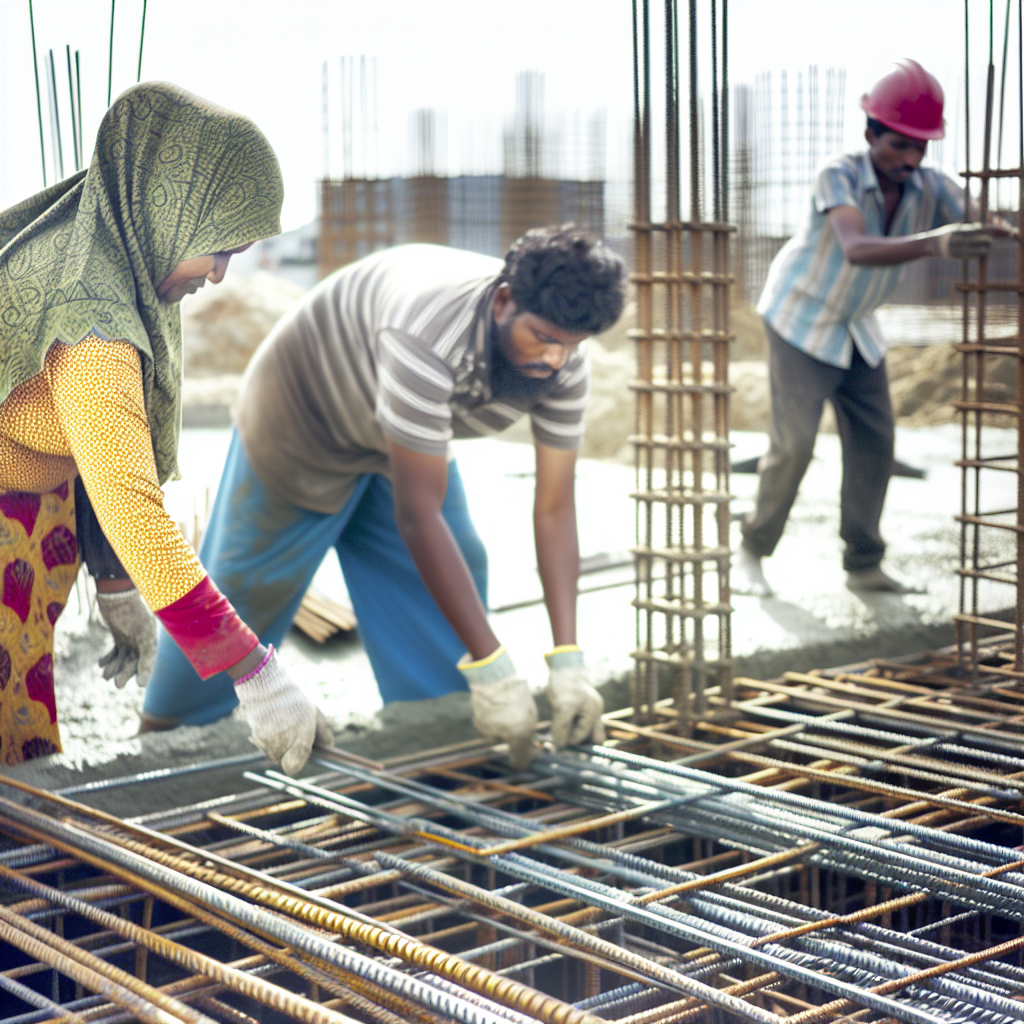
Rebar, short for reinforcing bar, forms the firm spine that transforms concrete into a resilient structural element. Usually made from ribbed steel, rebar improves grip and bond within the concrete. Whether it’s beneath the Millennium Bridge in London or inside Mexico City’s Museum Soumaya, rebar turns brittle concrete into a strong, load-bearing component.
Proper placement is critical. Spacing, alignment, and tie-downs ensure rebar holds position when concrete is poured. For example, DIY cabin builders in Montana must follow local guidelines for rebar grid spacing to guarantee strength and prevent shifting during curing.
Rebar is sized by number, such as #4 for ½-inch diameter rods. Choosing the correct size and layout is essential. In seismically sensitive areas like New Zealand’s Southern Alps, dense rebar grids protect foundations, while simpler, lighter layouts stabilize cliffside homes in Portugal’s Algarve region without stressing fragile soils.
Traveler tip: In Bali’s Amed village, builders may discuss how ocean air affects concrete projects. There, epoxy-coated rebar resists coastal corrosion—an ideal reinforcement choice near salty environments and a live lesson in climate-specific construction.
Wire Mesh in Concrete Reinforcement
While rebar supports structural loads, welded wire mesh serves in lighter applications like sidewalks, driveways, and patios. Formed into sheets or rolls, mesh easily adapts to DIY projects or surface slabs. In places like the tiled courtyards of Moroccan riads or Spain’s Montjuïc castle pathways, wire mesh prevents surface cracking and shifting.
For travelers converting vans or families pouring concrete for a pizza oven in an Italian Airbnb, mesh offers a lightweight, affordable solution. It’s simple to transport and can be sized onsite using standard tools.
Insider tip: Around Dunsborough, Western Australia, mesh availability reflects soil movement. Stop at one of the Caves Road hardware co-ops to hear how builders use special mesh to accommodate sandy foundations—adding regional insight to your road trip.
To be effective, mesh must sit centered in the slab thickness. Spacers—known as “chairs” or “dobies”—hold the mesh at optimal height. Without proper elevation, results like “ghost cracking” can appear—visible on luxury hotel paths from Sardinia to Sydney when construction lacks precision.
Combining Rebar and Mesh: When to Use Both
Certain construction projects benefit from using both rebar and mesh. Especially in larger builds where foundational support and surface durability are needed, combining techniques ensures safety and longevity. For example, in Colombia’s Comuna 13 redevelopment, builders used both forms to meet seismic and foot traffic demands.
Travelers exploring hybrid projects—perhaps a jungle eco-lodge or ski chalet—might see rebar grids paired with mesh flooring for fast, durable assembly. Using both also strengthens recreational infrastructure like skateparks in California or trail bridges in Whistler, where smooth finishes matter just as much as structural durability.
Volunteering abroad? NGOs in Guatemala’s Lake Atitlán region often teach concrete reinforcement through hands-on experience. You might find yourself mixing concrete or tying mesh grids at sunrise. Be sure to wear gloves and soak up the knowledge while supporting community development.
DIY Adventures in Concrete Reinforcement
Dream of building a shelter near Uganda’s Lake Bunyonyi or laying a glamping foundation in Germany’s Black Forest? Concrete reinforcement basics can make or break your project—ensure it endures rainfall, foot traffic, and seasonal shifts.
Start small with pathways, patios, or platforms. Global stores—even in Laos or Chile—sell precut mesh, rebar rods, and bagged concrete mix. Tools for bending and tying steel are widely available, and local staff often provide advice tailored to specific climates and terrains.
Pro tip: In Quebec’s Baie-Saint-Paul, locals mix knowledge of cold-weather concrete with old-world hospitality. Ask if mesh is preferable during frost seasons, and you’ll likely receive a helpful story along with your materials.
Enroll in a construction workshop to boost your skillset. Organizations like South Africa’s Natural Building Collective or New Mexico’s Earthship Biotecture offer courses that blend ecological wisdom with structural fundamentals, including reinforced concrete methods. It’s a hands-on gateway to self-reliant, sustainable construction.
How Concrete Reinforcement Tells a Cultural Story
From Venice’s aging bridges to Dominican eco-resorts using bamboo instead of steel, concrete reinforcement reflects ingenuity as much as necessity. As you travel, examine how buildings evolve and what materials communities use to strengthen them.
In Croatia’s Istria region, some farmers reused World War II rebar in rustic sheds. In Bolivia’s El Alto, homes rise above the clouds thanks to neighbor-taught methods blending mesh and seasonal concrete pours. These regional adaptations offer meaningful insights into how design blends with survival, art, and environmental response.
So next time you pass a job site—whether in Fez, Kathmandu, or Ubud—don’t just admire the scaffolding. Ask about the method. Learn about the mesh. Observe the rebar layout. Suddenly, you’re not just watching a build—you’re part of the global tradition of strong, enduring construction through concrete reinforcement.