Exploring the Composition
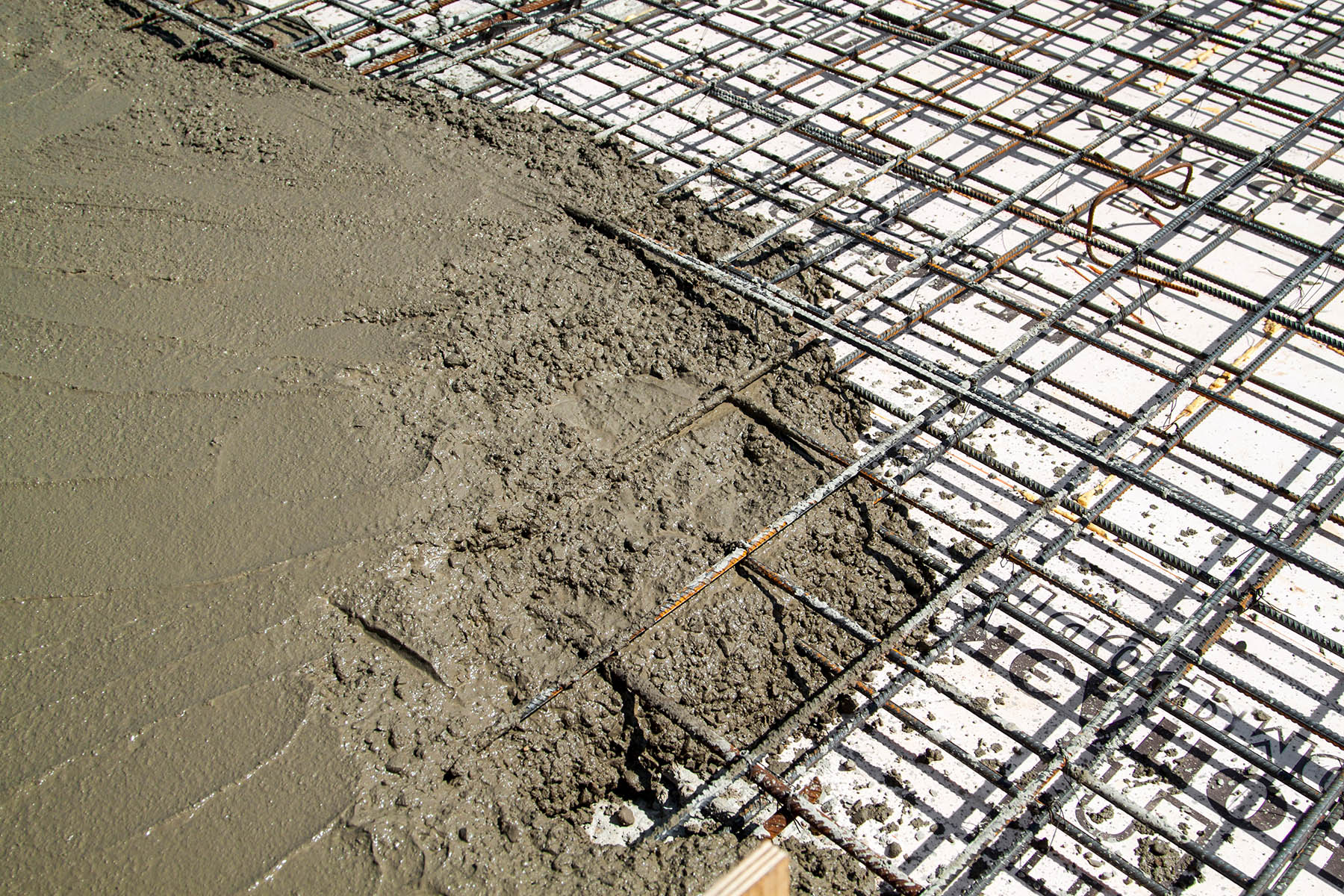
Reinforced concrete is a composite material composed of concrete and reinforcement bars or fibers. The concrete provides the compressive strength, while the reinforcement enhances tensile strength, making it more durable and resistant to cracking. This combination results in a versatile material suitable for various construction applications.
Reinforcement can be in the form of steel bars, mesh, or fibers, strategically placed within the concrete matrix. The reinforcement prevents cracks from expanding, improving the overall structural integrity of the concrete element. Understanding the composition of this concrete is crucial for engineers and builders to design and construct resilient structures.
Applications of Reinforced Concrete in Construction
The extensive use of this material in the construction industry due to its versatility and strength. It is commonly employed in the construction of buildings, bridges, dams, pavements, and other infrastructure projects. The ability of this concrete to withstand heavy loads and environmental factors makes it ideal for diverse applications.
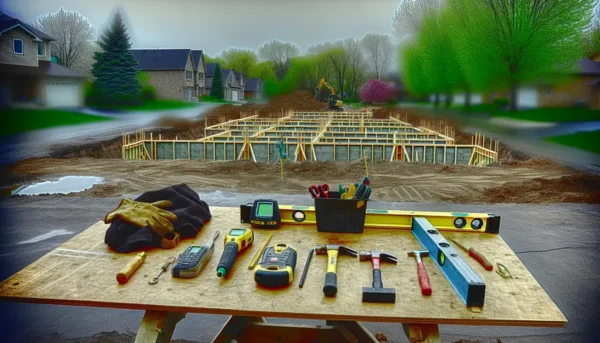
In building construction, this concrete material is utilized for foundations, columns, beams, slabs, and walls. Its adaptability allows for the creation of complex shapes and designs, offering architects and designers greater freedom in their projects. Additionally, its structures exhibit excellent fire resistance, enhancing safety in buildings.
Advantages of Reinforced Concrete Over Other Materials
One of the primary advantages of reinforced concrete is its exceptional strength and durability. Compared to plain concrete, reinforced concrete can withstand higher loads and stresses, making it suitable for heavy-duty applications. Additionally, the flexibility in design and construction allows for efficient use of materials and resources.
This material also offers excellent resistance to weathering, corrosion, and chemical attacks, ensuring longevity in various environmental conditions. Its low maintenance requirements make it a cost-effective choice for long-term projects. Furthermore, the availability of reinforcement materials and standardized construction practices contribute to its widespread use in the industry.
Innovations in Material Technology
Advancements in materials science and construction techniques have led to continuous improvements in this technology. Innovations such as high-performance concrete, fiber-reinforced concrete, and pre-stressed concrete have expanded the capabilities and applications of this material.
High-performance concrete incorporates special admixtures and aggregates to enhance strength, durability, and workability. Fiber-reinforced concrete incorporates fibers such as steel, glass, or synthetic materials to improve crack resistance and ductility. Pre-stressed concrete utilizes pre-tensioning or post-tensioning techniques to introduce compressive stresses, increasing its load-bearing capacity.
Reinforced concrete remains one of the most widely used construction materials globally due to its strength, durability, and versatility. Understanding its composition, applications, and advantages is essential for engineers, architects, and builders involved in construction projects. With ongoing innovations in technology and materials, reinforced concrete continues to evolve, shaping the future of the construction industry.