Why Concrete Floor Heating Systems Are Key to Comfortable Living
Concrete floor heating systems are quietly revolutionizing how we stay warm indoors, especially in colder climates. Whether you’re marveling at the northern lights in Fairbanks, skiing Colorado’s slopes, or nesting in a Reykjavik rental, radiant heat from beneath your feet adds unmatched comfort. These systems offer even, consistent warmth and pair well with modern or rustic interiors. For solo travelers, remote workers, or families with kids, heated concrete floors bring both luxury and practicality to every seasonal stay.
With energy efficiency, aesthetic flexibility, and zero visual clutter, concrete floor heating is becoming a must-have feature in vacation rentals, cabins, and homes around the globe. These systems provide reliable warmth while conserving energy — proving that comfort and sustainability can work hand in hand.
Understanding Concrete Floor Heating Systems: How They Work
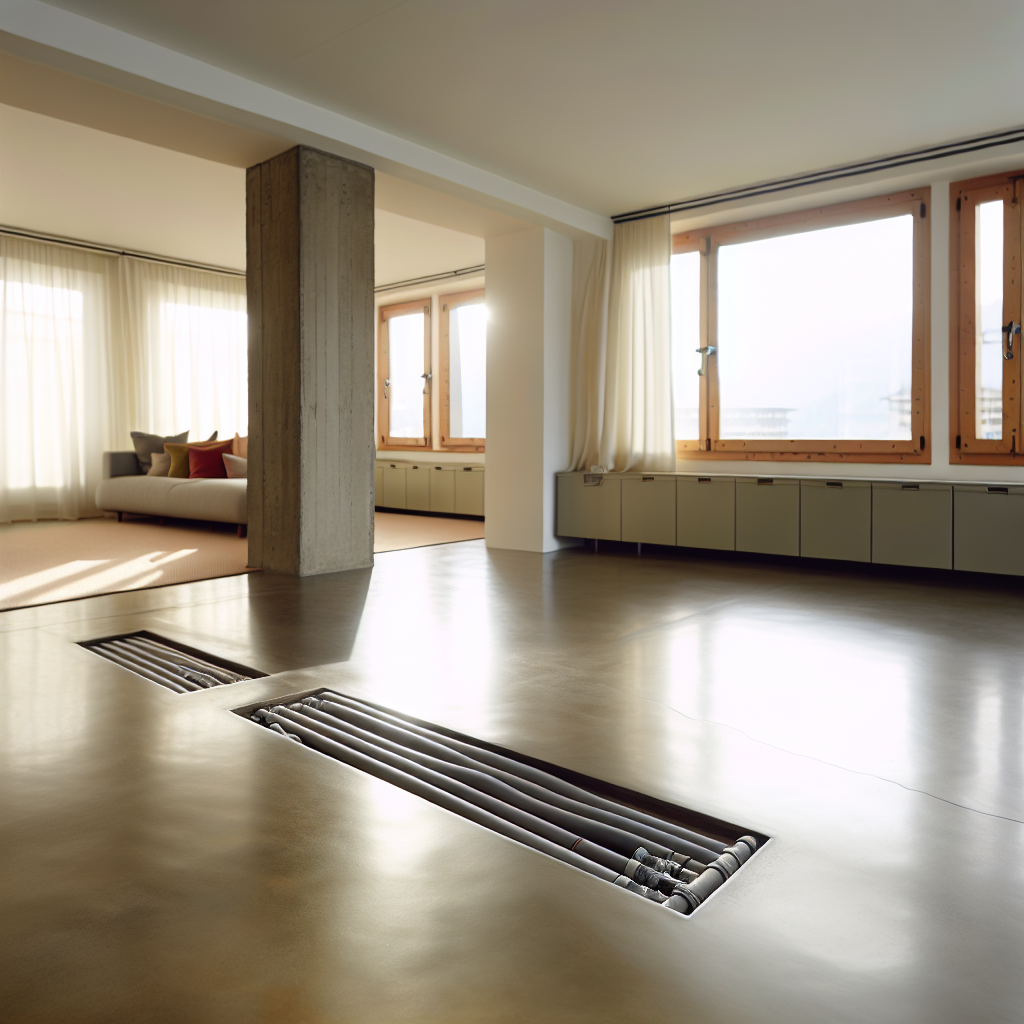
Concrete floor heating systems operate using radiant heat that rises from the ground up, eliminating the need for noisy ducts or bulky radiators. There are two main types: hydronic and electric. Hydronic systems circulate hot water through tubing laid within the concrete slab, while electric ones use cables or mats beneath the surface.
In places like Banff, Alberta, hydronic systems connect to home boilers and are ideal for larger spaces. Meanwhile, compact electric systems serve smaller areas such as bathrooms in Park City, Utah ski rentals. Both options result in the same outcome — gentle, reliable heat during even the coldest days.
Perfect for Cold-Weather Getaways
Destinations known for winter sports — such as Whistler Blackcomb or Lake Placid — benefit greatly from concrete floor heating systems. After spending the day adventuring outdoors, coming home to warm floors beneath your feet feels like indulgent comfort, not just utility.
In Iceland, geothermal energy powers many hydronic systems in rentals across Hveragerði, letting travelers experience eco-conscious warmth in a landscape famed for natural hot springs. These systems also streamline interior design by reducing the need for visible heating elements — a favorite feature in Scandinavian architecture.
Whether you’re staying in Queenstown, New Zealand or Salida, Colorado, radiant heat transforms your rental into a cozy retreat. Increasingly, designers in alpine towns are building homes with concrete flooring specifically to optimize these systems.
Family-Friendly Warmth, Without Compromise
Families love the seamless comfort concrete floor heating systems provide. There’s no need to worry about kids bumping into radiators or crawling near baseboard heaters. Instead, the entire floor becomes a safe and warm space for play and relaxation.
In destinations like Tahoe or Telluride, where winter stretches out for months, this feature significantly enhances quality of life. At breakfast time or bedtime, heated floors add a sense of luxury that’s especially appreciated during long family stays.
In Glenwood Springs, vacation homes designed for families include radiant heat as a standard feature. Similar upgrades are common in Truckee and other Lake Tahoe communities, where combining energy efficiency with consistent warmth is key.
Tip for families: When browsing rental descriptions in snowy regions, look for listings that include heated floors as a premium amenity. This small feature can make a big difference on chilly mornings.
Quiet Luxury for Solo Travelers and Remote Workers
For solo explorers chasing auroras around Iceland or skiing the slopes of Hakuba Valley, concrete floor heating systems strike the perfect balance between style and substance. These systems operate silently, perfect for mindfulness practices, early-morning work sessions, or evening relaxation after adventure-filled days.
In Taos, New Mexico, adobe homes now include radiant floors built directly into thick walls and concrete foundations, offering eco-conscious comfort in artistic retreats. Similarly, in Cortina d’Ampezzo, Italy, vacation rentals with heated concrete flooring blend rustic alpine charm with modern elegance — an appealing combo for digital nomads.
Across destinations from Canada’s Laurentians to Europe’s Dolomites, remote workers value these systems for their comfort, low maintenance, and compatibility with sustainable energy sources.
Hidden Gems with Heated Concrete Floors
You don’t need to visit a famous resort to experience the comfort of concrete floor heating systems. Many hidden destinations now integrate radiant heat into charming lodgings that keep you warm while staying off the beaten track.
- Dunton Hot Springs, Colorado – This renovated ghost town turned luxury resort features restored cabins outfitted with radiant heated floors, offering cozy warmth amidst snow-draped wilderness.
- Hallstatt, Austria – Smart energy renovations in this idyllic lakeside village include radiant heating, ideal for early risers strolling cobbled streets in cooler weather.
- Akureyri, Iceland – Often overlooked in favor of Reykjavik, this northern town makes excellent use of geothermal hydronic systems beneath stone and concrete floors, showcasing the country’s innovative energy practices.
Hidden travel tip: Look for regional lodging platforms when booking in remote areas. In Switzerland’s Jura Mountains, for instance, chalets with heated floors are often listed through local tourism agencies rather than global booking sites.
Efficient Comfort for Sustainable Living
One of the standout advantages of concrete floor heating systems is their energy efficiency. These systems are perfect for travelers prioritizing sustainability. Hydronic setups can be powered by renewable energy sources like solar panels, municipal biomass, or geothermal systems — helping reduce environmental impact.
In Finnish Lapland, eco-lodges use thick concrete floors, radiant heat, and solar integration to offer warmth without fossil fuels. These lodges provide modern comfort while supporting carbon-conscious travel in fragile northern environments.
Additionally, radiant heat reduces air circulation, which means fewer airborne allergens — an important factor for travelers with respiratory sensitivities. In places like Chamonix or Breckenridge, high-altitude air can be dry, and in-floor heating ensures a gentler, more consistent indoor climate.
Warmer Journeys Begin from the Ground Up
Concrete floor heating systems are more than a modern convenience — they’re a transformative feature that enhances every part of the travel experience. Whether you’re a family on winter holiday, a digital nomad in an alpine co-working retreat, or a solo traveler savoring quiet moments indoors, radiant floors offer unparalleled comfort.
From snowy cabins in Colorado to geothermal studios in Iceland, the warmth beneath your feet adds a layer of peace to icy mornings and crisp nights. On your next cold-weather getaway, seek out accommodations that list heated floors. Once you experience the comfort, you’ll wonder how you ever traveled without it.