Understanding Concrete Masonry Units in Modern Construction
Concrete Masonry Units are essential building blocks in today’s construction across cities, coastlines, and countrysides. Whether forming the base of a Miami mural wall or supporting a quiet Peruvian chapel, these durable units do more than meet the eye. Concrete Masonry Units, or CMUs, offer unparalleled strength, versatility, and environmental resilience—making them a smart choice for modern architects and DIY homeowners alike.
If you’re curious about the materials behind your favorite buildings or planning a backyard project, understanding CMUs adds both practical and travel value. Let’s explore how these dependable blocks shape the structures around us.
What Are Concrete Masonry Units and Why Are They Important?
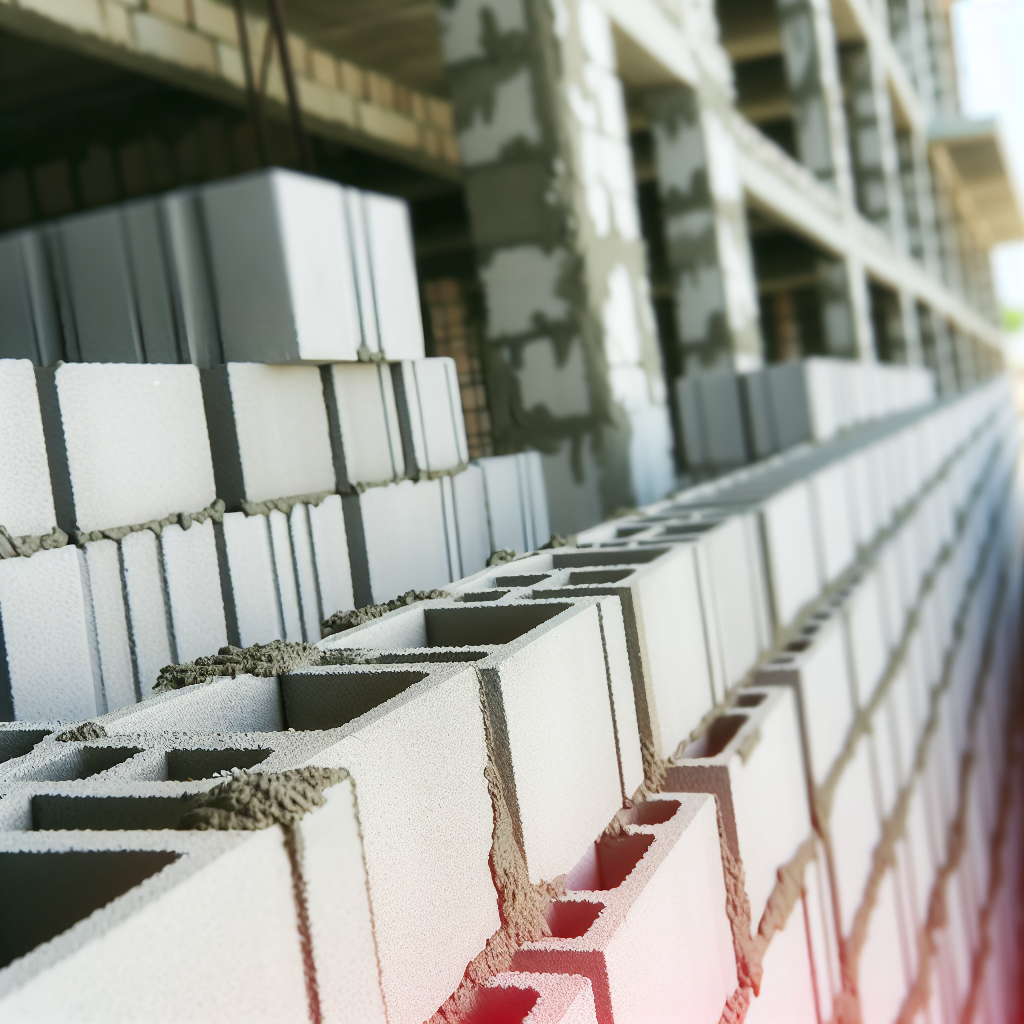
Concrete Masonry Units are rectangular building blocks typically composed of Portland cement, water, and aggregates. Their molded form makes them ideal for constructing walls, foundations, fire-rated structures, and even creative landscaping features. Found in everything from downtown high-rises to family picnic shelters, Concrete Masonry Units are a cornerstone of both utility and design.
These units stand out for their strength, fire and pest resistance, and incredible thermal mass. In hot climates like Arizona or Southern California, structures built with CMUs naturally regulate indoor temperatures, reducing energy costs. Thanks to modular shapes and stacking flexibility, they fit seamlessly into any vision—from sleek urban designs to rustic mountain retreats.
Whether you’re developing a community school in Guatemala or a boutique café in Portland, Concrete Masonry Units combine durability with cost-efficiency, creating long-lasting results you can depend on.
Concrete Masonry Units in Parks and Cultural Landmarks
Many family-friendly attractions subtly rely on Concrete Masonry Units for function and aesthetics. In places like Maggie Daley Park in Chicago, CMU retaining walls support the park’s undulating trails, while CMU-clad structures offer comfortable shade for summer visitors. These materials are not only easy to maintain but also resist vandalism, a must for high-traffic civic areas.
Further west, the New Children’s Museum in San Diego incorporates CMUs into its distinct modern design, inspiring kids through tactile interaction with real architectural elements. In Santa Fe’s Railyard Park, locally sourced CMUs enhance eco-friendly efforts and reduce carbon footprints—something culture-conscious travelers often seek out.
Design hubs like the National Building Museum in Washington, D.C., even offer hands-on exhibits where visitors can learn about building techniques using Concrete Masonry Units. These experiences provide fun, educational insight into what literally holds our world together.
Outdoor Uses of CMUs in Recreational Infrastructure
Hikers and nature lovers might not recognize them, but Concrete Masonry Units are everywhere in outdoor infrastructure. From trailhead restrooms in the Appalachians to interpretive kiosks in Northern California, CMUs are chosen for their durability under extreme conditions—imagine salt spray in Maine or heatwaves in the Southwest.
At Zion National Park, rugged CMU facilities blend beautifully with the desert landscape while delivering unmatched performance through scorching summers and icy winters. Likewise, the revitalized Los Angeles River path uses CMU retaining walls for both flood control and artistic expression, showcasing local street art on weatherproof surfaces.
If you’ve picnicked at Oregon’s Silver Falls or visited the amphitheaters in Colorado’s Maroon Bells, you’ve experienced spaces shaped by Concrete Masonry Units—built to endure and enrich outdoor life for years to come.
DIY Outdoor Projects with Concrete Masonry Units
Homeowners from rural Italy to the deserts of New Mexico have long used Concrete Masonry Units in practical, affordable DIY projects. Thanks to their availability and ease of use, CMUs are perfect for transforming any outdoor space, even with minimal construction experience.
Here are a few popular ways to use CMUs at home:
- Raised garden beds: Great for urban backyards or school garden projects, offering a scalable layout to match any plot size.
- Outdoor kitchens and fire pits: CMUs resist high heat and can be covered with decorative stone for a customized finish that fits any aesthetic.
- Backyard seating walls: Common in cities like Denver or Austin, these let you create stylish, low-maintenance gathering spaces.
- Storage sheds or guest cabins: Especially beneficial in earthquake-prone areas, CMUs create secure, long-lasting outbuildings.
Pro tip: Visit a Habitat for Humanity ReStore or reclaimed materials yard near you. Many sell excess CMUs from commercial projects at discounted rates—helping your budget and the planet.
Concrete Masonry Units on the Global Stage
Globally, Concrete Masonry Units power everything from resilient homes in rural Haiti to schools in Nepal built to withstand earthquakes. NGOs and local crews often use CMUs in disaster recovery projects due to their affordability, strength, and ability to be produced with regional materials.
Travelers exploring Bolivia, Kenya, or Vietnam may discover local hostels or guesthouses built with exposed CMUs—structures able to resist climatic and seismic challenges with style. For architecture lovers, many volunteer tourism programs also allow participants to work directly with CMU construction, adding global goodwill to their travel experiences.
These efforts show the universal value of Concrete Masonry Units in creating safe, sustainable, and lasting spaces.
Artful and Sustainable Design with CMUs
Far from boring, today’s Concrete Masonry Units are part of bold modern design. Architects use colored aggregates, polished textures, and intricate patterns to turn CMUs into stunning design features. In Marfa, Texas, minimalist structures showcase the beauty of raw CMU walls, while Mexico City’s public installations integrate CMUs into civic art with sustainability in mind.
Streets in Brooklyn and Portland highlight CMU-supported cafes, lofts, and event spaces that merge industrial vibes with cozy function. For travelers focused on green building, spotting CMU-enhanced architecture in public libraries or transit centers in cities like Copenhagen or Singapore can be a hidden delight.
When designed thoughtfully, Concrete Masonry Units elevate both form and function—delivering performance with personality.
The Timeless Role of Concrete Masonry Units
From rural pathways to major global cities, Concrete Masonry Units quietly hold our collective structures in place. They support murals in Mexico, shelter families in the Philippines, and create cherished gathering spots everywhere in between. Their simplicity, endurance, and sustainability make CMUs a key part of everyday life and travel experiences.
So next time you admire a cool neighborhood café, rest in a shaded city plaza, or stay at a sustainable lodge abroad, take a closer look—you might be leaning on a Concrete Masonry Unit, ready to meet the future with strength and style.