Understanding the Importance of Concrete Beam Design
Concrete Beam Design is the unsung hero of modern infrastructure, shaping how we safely explore breathtaking destinations around the world. Whether strolling across Tokyo’s Shuto Expressway bridges or hiking through Ireland’s Ring of Kerry, reinforced concrete beams work silently beneath your feet to keep you safe and supported.
From solo wanderers traversing the swings of Costa Rica’s rainforests to families exploring Berlin’s Tiergarten, the strength and durability of a well-executed concrete beam structure make your journey possible. Scenic overlooks, cultural landmarks, and pedestrian paths all rely on these marvels of civil engineering. Their role is not only structural—it’s essential to the accessibility and enjoyment of every adventure.
Core Principles of Concrete Beam Design
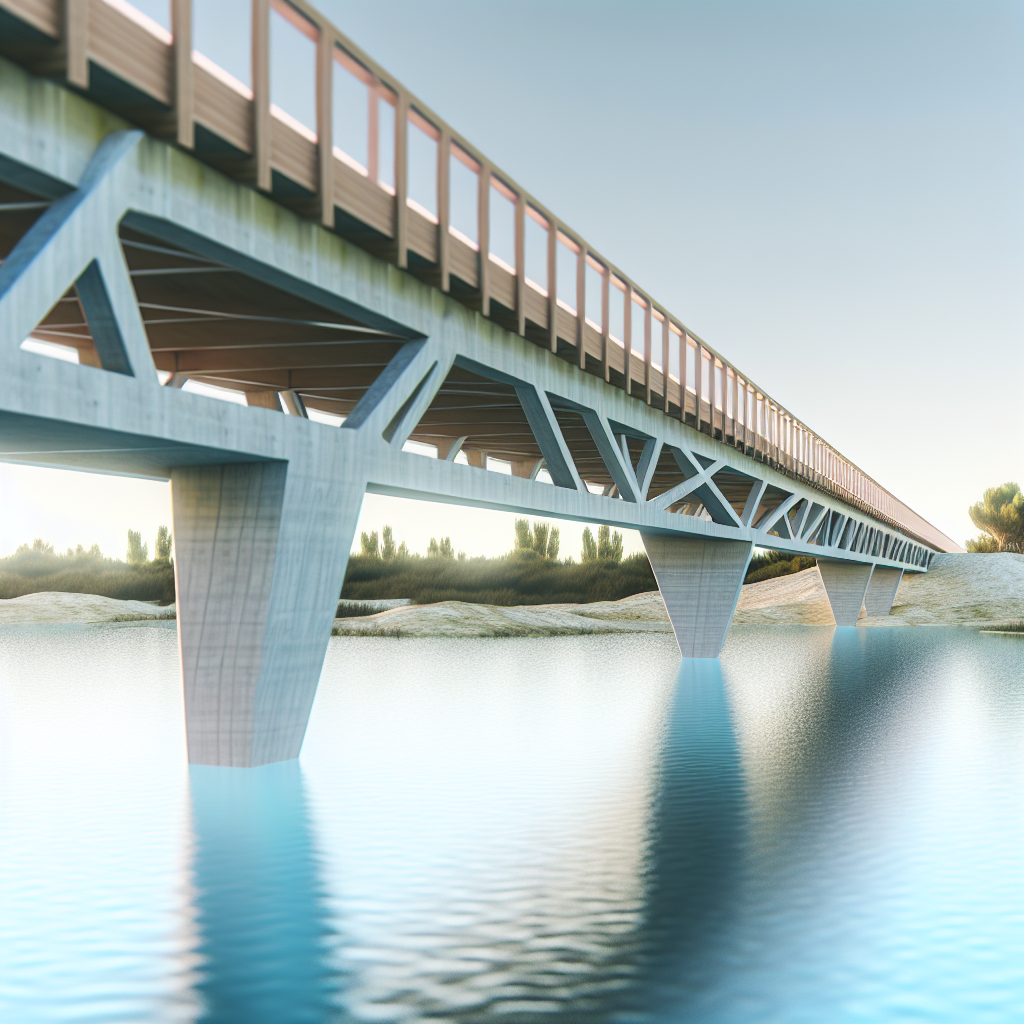
At the center of all Concrete Beam Design is the ongoing balance of safety, strength, and efficiency. A concrete beam is a horizontal structure that resists external loads. When embedded with steel (reinforced concrete), it becomes capable of bearing both tension and compression forces—ideal for bridges, platforms, roofs, and pathways.
Engineers apply three fundamental principles to design safe and efficient beams:
- Load Bearing: Beams must support various load types—dead loads (structure weight), live loads (people, vehicles), and environmental loads (wind, quakes).
- Span Calculation: The distance a beam crosses affects its thickness, tension, and material composition. Short spans like Kyoto’s Arashiyama bridges differ vastly from the expansive Grand Canyon Skywalk.
- Reinforcement Strategy: Steel reinforcement bars (rebars) enhance the beam’s performance. Engineers strategically place them to maximize strength under tension.
These basics ensure that viewing decks in Sweden’s Storforsen Reserve and lush pathways over Iguazu Falls stay secure underfoot. Every walkway, trail, or elevated platform relies on this balanced design approach.
Types of Concrete Beams in Scenic Infrastructure
While exploring national parks, historic cities, or coastal trails, you’re likely walking above a wide array of beam types. Each design serves a unique purpose tailored to aesthetics, geography, and expected load.
- Simply Supported Beams: Resting on two supports, these are frequently used in pedestrian bridges like those in Central Park or Suzhou Gardens.
- Cantilever Beams: Extending outward from a single support, they are ideal for outlooks like Langkawi’s Sky Bridge in Malaysia.
- Continuous Beams: Spanning three or more supports, these appear in broader infrastructures like Istanbul’s Golden Horn Metro Bridge.
- Prestressed Concrete Beams: Pre-stressed during casting to handle heavy loads—perfect for elevated tracks and long-span walkways, such as those near Mumbai’s Chhatrapati Shivaji Station.
Each form contributes to the security and charm of public spaces—whether on a city crossing in Santiago or a tranquil garden path in Tokyo. These beam types combine visual appeal with functionality, silently supporting unforgettable views and experiences.
Structural Calculations for Beam Integrity
Standing on a scenic bridge or overlook, it’s easy to overlook the math beneath. However, every safe step is powered by precise calculations shaping the design of any Concrete Beam Design solution.
- Moment of Resistance (MR): Defined by MR = f × Z, where “f” is material strength and “Z” is section modulus. It measures how much bending force a beam can withstand.
- Bending Moment (BM): Indicated by BM = w×L²/8, this equation assumes a uniform load over a simple span and estimates the internal resistance required.
- Shear Stress: Concentrated near the supports, this is managed with reinforcements such as stirrups to maintain integrity.
These computations ensure solid footing on the coastal walkways of La Jolla, California, and water-slick trails in Portland’s Forest Park. Whether facing tourists, strollers, or even storm runoff, structural engineers calculate every variable with care.
Tip for STEM-savvy travelers: Visit museums like the Technological and Maritime Museum in Malmö, Sweden, where kids can experiment with real-life beam load models—combining education and entertainment during your travels.
Real-World Examples of Concrete Beam Design in Travel
Travelers often admire sweeping vistas and elegant walkways, but rarely consider the Concrete Beam Design behind them. Sites like Spain’s Caminito del Rey—a once-dangerous cliffside path—were transformed using modern concrete engineering. Today, thousands admire the cliffs safely along sturdy, reinforced trails.
In Sydney, the Barangaroo Reserve features sleek concrete-supported paths that celebrate Aboriginal heritage while offering panoramic harbor views. In Colombia, the Salt Cathedral of Zipaquirá relies on internal concrete beam vaults to make its underground marvel safely accessible to all visitors.
Even family hotspots like San Francisco Zoo use beam infrastructure in their elevated walkways to protect animals and humans alike—merging safety with scenery. Tikal’s Mayan ruins benefit from access ramps crafted from modern reinforced concrete, enhancing visitor flow without disturbing ancient grounds.
Where to See Beam Design Up Close
If you’re curious to experience Concrete Beam Design firsthand, there are plenty of spots where locals reveal its hidden beauty. In Cape Town, the Sea Point Promenade hosts marine-grade concrete decks—best appreciated at sunrise, according to early risers.
Parque Lage in Rio de Janeiro draws families, but few notice the prestressed beams beneath its charming outdoor steps. In New Zealand’s Abel Tasman National Park, wooden trails often rest on reinforced concrete substructures. Staff at nearby visitor centers can point you toward hikes showcasing these quiet engineering marvels.
In Japan’s Kiso Valley, the historic Nakasendō Way blends the old with the new. Seismic-resistant support beams are subtly tucked beneath centuries-old paths. Here, modern design preserves heritage while ensuring safety amid tectonic risks.
Travel Smarter with Engineering Underfoot
Next time you pause on a cliffside trail or listen to waterfalls echo beneath your feet, remember the strength holding you there. Concrete Beam Design isn’t just an engineering term—it’s a core part of your travel experience. It allows you to reach remote vistas, explore ancient ruins, and share safe spaces with travelers from around the world.
From Vienna’s elevated forest paths to the stairwells leading down to Mexican cenotes, concrete beams shape how we move, see, and feel landscapes. Awareness of their role adds depth to your journey—and may even guide you toward your next unforgettable destination.