Concrete Corrosion Control is essential to the safety and longevity of outdoor infrastructure. From the iconic seawalls of Miami Beach to the scenic overpasses along San Francisco’s Bay Trail, reinforced concrete structures support the beauty and utility of our favorite destinations. But behind their strength lies a hidden enemy: corrosion of the embedded steel rebar. Understanding how this process is managed can heighten your appreciation for the parks, bridges, and walkways that make travel memorable.
This guide explores how Concrete Corrosion Control keeps cherished outdoor spaces durable and safe. We’ll cover the causes of corrosion, showcase engineered solutions in action, and highlight how families and adventurers benefit daily—often without realizing it.
What Causes Concrete Corrosion—and Why It Matters to You
Reinforced concrete seems invulnerable, but moisture, salt, and environmental pollutants can trigger steel corrosion inside. As the rebar expands from rust, it cracks the concrete—compromising both strength and appearance. The result? Hazardous structures and costly repairs.
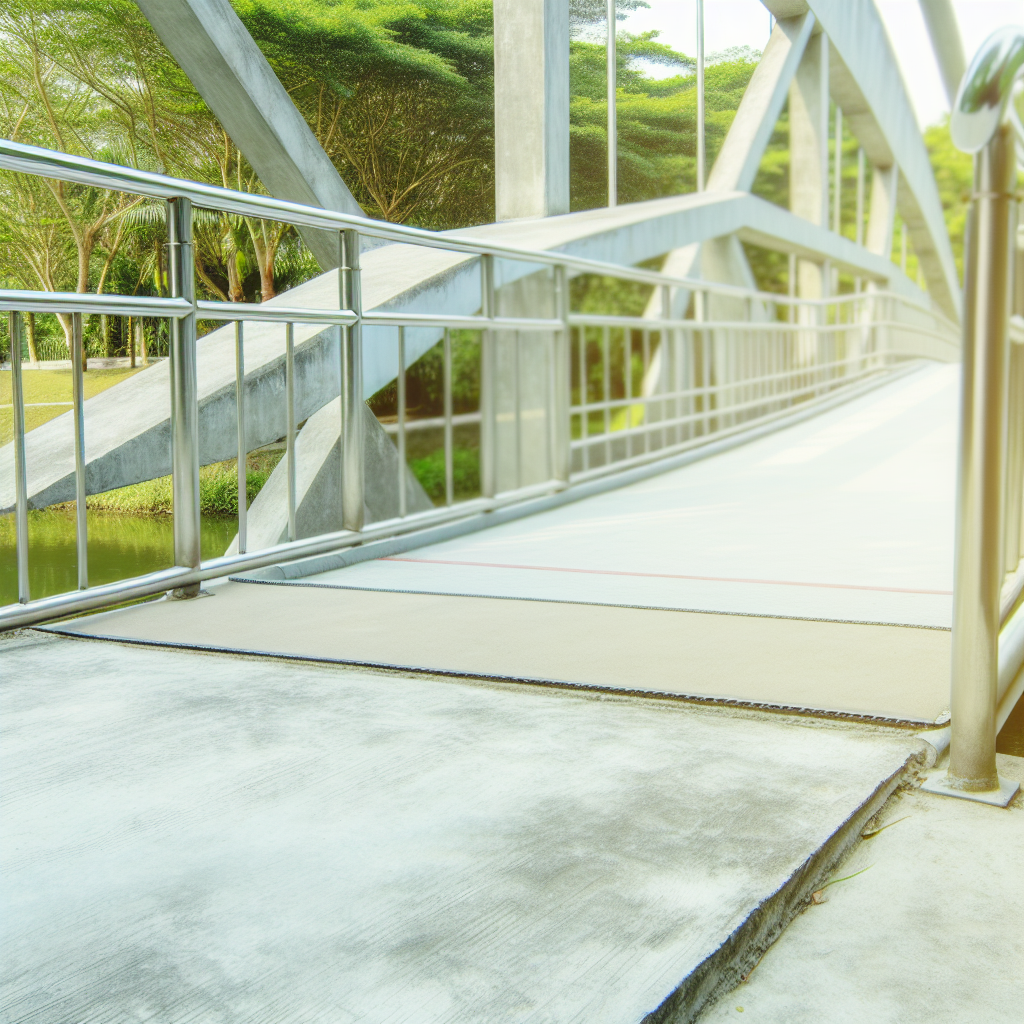
For instance, Portland’s scenic Friendship Arch Bridge in Waterfront Park faced rapid salt-induced corrosion. Thanks to corrosion inhibitors and waterproofing membranes, it was restored to its full splendor, ensuring safe access for runners, families, and tourists alike. This example illustrates how Concrete Corrosion Control safeguards both aesthetics and public safety.
Where Concrete Corrosion Control Makes a Difference
Whether you’re hiking the Pacific Northwest or strolling a boardwalk in Florida, corrosion-prevention technology is hard at work beneath your feet. Below are key destinations where these efforts shine:
- Skagit River Bridge, Washington: Serves as a gateway to North Cascades National Park, using epoxy-coated rebar and cathodic protection to resist the region’s frequent rainfall.
- Ocean Beach Promenade, San Francisco: Endures salty air and sea mist with surface sealants and embedded corrosion inhibitors applied to retaining walls and railings.
- Fort Jefferson, Dry Tortugas National Park: This isolated marine outpost uses corrosion-resistant materials to preserve its concrete forms from relentless saltwater exposure.
- Lake Pontchartrain Causeway, Louisiana: Teams vigilantly maintain its concrete columns with anti-corrosion coatings and chloride monitoring, extending the life of this spectacular structure.
These examples prove that Concrete Corrosion Control enables long-term access to many of America’s most beloved outdoor locations.
Key Techniques Used in Concrete Corrosion Control
Modern engineers employ a toolbox of corrosion-prevention methods to build and maintain infrastructure, especially in exposed or moisture-rich locations. Here are the most effective solutions:
- Epoxy-Coated Rebar: This process shields steel from moisture and salt, making it ideal for coastal bridges and lakeside overlooks.
- Corrosion Inhibitors: These compounds, added into the concrete or applied topically, block harmful chloride ions. They’re often used near salted roadways.
- Cathodic Protection Systems: Found in piers and tunnels, these systems apply low-voltage electric currents to slow or halt internal steel corrosion.
- Surface Sealants: Water-repellent coatings like silane or siloxane reduce moisture absorption on exposed surfaces, widely used in cities and historic structures.
- Fiber-Reinforced Polymers (FRP): Replacing steel entirely, FRP thrives in high-moisture or freeze-thaw environments such as mountainous walkways and snowy park trails.
Next time you cross a bridge or picnic at a shoreline lookout, consider the layers of innovation silently protecting your experience.
Family Adventures Supported by Durable Infrastructure
Families exploring national monuments or state trails often benefit from Concrete Corrosion Control without realizing it. Smart engineering turns everyday outings into safe, worry-free adventures.
Take the Cabrillo National Monument tide pool platforms in San Diego. With thousands of daily visitors and proximity to salt spray, these decks undergo regular patching and protective coatings. This behind-the-scenes maintenance ensures a secure and enjoyable visit year-round.
Or consider Iowa’s High Trestle Trail Bridge. Its illuminated, sky-touching piers draw cyclists and walkers of all ages. Reinforced with corrosion-resistant coatings, the bridge withstands both midwestern winters and humid summers. It’s a shining example of how targeted protection creates lasting memories.
Hidden Spots Where Engineering Enhances Experience
Beyond tourist maps, local gems benefit from resilient concrete solutions. These places combine practical materials with artistic or community value.
In Seattle’s Freeway Park, concrete mural walls double as seating and sculpture. But it’s the retrofitted rebar and protective sealants that keep them intact through heavy rainfall. Visitors simply enjoy the ambiance—protected by technology they never notice.
At Maggie Daley Park in Chicago, the concrete climbing areas endure freeze-thaw cycles and constant traffic with reinforced drainage and corrosion-limiting treatments. Heated concrete helps maintain safety even in deep winter.
Near Santa Fe, the Canyon Road walking trail incorporates corrosion-resistant admixtures within redesigned retaining walls. These discreet upgrades let residents and art-lovers enjoy New Mexico’s charm without structural worries.
How Travelers Can Support Corrosion-Controlled Sites
As adventurers and stewards of shared spaces, your role in maintaining these landmarks is more valuable than you think. Here’s how to help protect our corrosion-conscious infrastructure:
- Read Educational Signage: Interpretive panels often explain structural updates. Stop and learn—it deepens your connection to the location.
- Support Local Initiatives: Volunteer or donate to organizations like The National Trust for Historic Preservation or park-specific groups.
- Explore in the Off-Season: This reduces wear on popular sites, giving maintenance teams more flexibility to apply corrosion treatments.
- Share the Knowledge: Talk to younger travelers about how places stay safe. Turning curiosity into awareness benefits future explorers.
Every boardwalk, lookout, or lantern-lit bridge you’ve loved on your travels has a story—not just of culture or design, but of dedicated care. Thanks to effective Concrete Corrosion Control, these stories endure for the next generation of dreamers.