Discover the Creative World of Concrete Forms and Molds
Concrete forms and molds are redefining the boundaries of travel, creativity, and architecture. From the historic adobe homes of Santa Fe to the graffiti-lined walls of Brooklyn, concrete has always played a supporting role in urban design. Today, it’s stepping into the spotlight. Travelers are immersing themselves in hands-on workshops, sculptural parks, and modernist architecture that showcase concrete’s artistic potential. Explore how this versatile material shapes not just landscapes, but meaningful experiences.
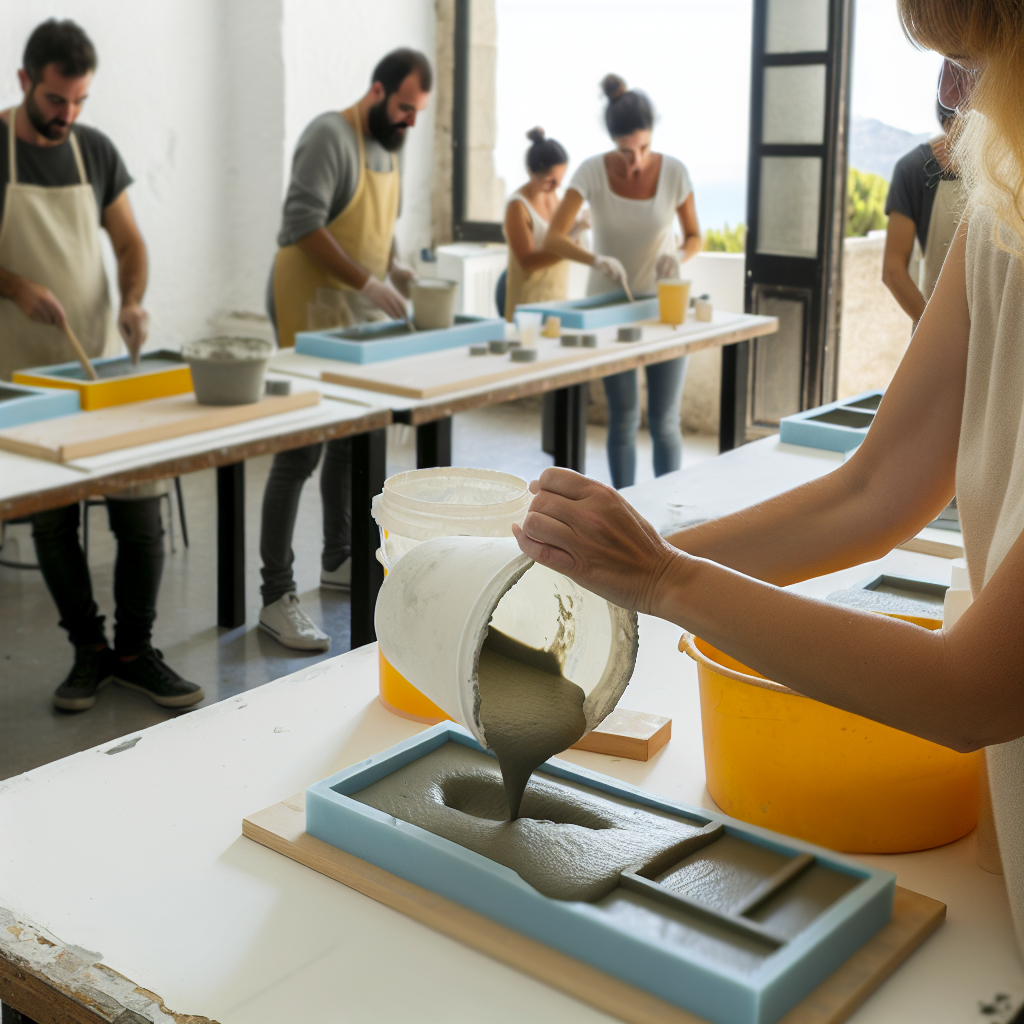
Hands-On Experiences: Learn Functional Art through Concrete Workshops
Across the United States and beyond, small artisan studios are inspiring creativity through practical workshops. In Asheville, North Carolina, the DIY studio Concrete Zen offers sessions where families use concrete forms and molds to craft unique garden tiles, planters, and stepping stones. These personalized keepsakes turn into functional souvenirs—and memorable stories.
In Portland, Oregon, Forma Concrete Studio hosts half-day intensives where participants select silicone molds, experiment with pigments, and work with aggregates like crushed glass or terracotta. These tactile journeys into casting techniques also cover basics like form stripping, curing, and slump testing. Whether you’re a first-timer or a DIY enthusiast, you’ll gain the confidence to start your next project at home.
Pro tip: Schedule workshops early in your trip to allow drying time. Many studios also offer shipping for finished pieces.
Explore Inspiring Outdoor Spaces Shaped by Concrete
Beyond studio walls, public art installations across the country demonstrate the creative power of concrete forms and molds. In St. Louis, Missouri, Laumeier Sculpture Park features more than 100 acres of enormous poured-concrete works. Beverly Pepper’s “Cromlech Glen” is especially inviting for kids eager to explore and sketch among towering forms that mimic ancient ruins.
If you’re visiting Santa Fe in July, don’t miss the International Folk Art Market. Global artisans exhibit traditional mold-based crafts such as Moroccan concrete tiles made using family heirloom molds. The market is a rare fusion of heritage and form.
In Washington’s Columbia River Gorge, the Maryhill Museum of Art surprises visitors with concrete chessboards embedded in the landscape and a life-size Stonehenge replica made entirely of cast concrete—a solemn WWI memorial that showcases the material’s historical depth.
Architecture Tours Highlighting Concrete Innovation
If you admire architectural design, many cities now offer tours focused on structures built using distinctive concrete forms and molds. In Boston, the Government Center walking tour emphasizes civic buildings shaped by Brutalism, particularly the ribbed concrete and angular volumes of City Hall—a bold symbol of 20th-century architecture.
Further west, Chicago’s Marina City towers, nicknamed the “corncobs,” stand as bold testaments to modular concrete construction. Designed by Bertrand Goldberg, they exemplify mid-century vision made possible through radius forming. Explore these landmarks by foot or take a river cruise with guides who link construction innovation to urban evolution.
Internationally, Mexico City’s Universidad Nacional Autónoma de México invites families to enjoy expansive murals and cast-concrete facades—earning it a spot on the UNESCO World Heritage list. These artistic concrete applications showcase how architecture and culture intersect.
Creative Fun for Families: DIY Concrete Projects for All Ages
Surprisingly, concrete forms and molds provide exciting opportunities for family travel. Interactive museum programs allow children to experiment with shapes, textures, and earth-friendly mixing techniques. In Minneapolis, the Bakken Museum leads STEAM-aligned summer camps where kids craft botanical stepping stones while learning engineering principles.
Over in the UK, Halifax’s Eureka! Science Museum features pop-up events with moldable bird feeders and bug hotels—ideal for young creators. And in San Diego, the Reuben H. Fleet Science Center hosts eco-focused workshops using biodegradable molds and natural pigments. These experiences combine play and sustainability in one messy, memorable package.
Travel tip: Many activity centers offer take-home kits that extend concrete fun to your accommodation or backyard garden.
Shop Unique Concrete Goods by Local Artisans
If crafting isn’t your style, you can still take home one-of-a-kind concrete art. Boutiques in creative centers like Marfa, Texas, and Taos, New Mexico, often feature artists who use concrete forms and molds to create sculptural coasters, minimalist jewelry, and pigment-infused homewares that echo local geology and culture.
In places like Boulder, Colorado, or Austin, Texas, weekend farmers markets showcase concrete-molded lighting fixtures and wind chimes nestled among fresh produce stalls. These intimate settings allow you to chat with makers, commission personalized molds, and support small creative businesses.
Urban design stores like Los Angeles’ Concrete Geometries host pop-up events featuring fast-track molding demos alongside retail offerings—an inspiring mix of shopping and discovery.
Plan Your Creative Concrete Adventure
Whether you’re a solo traveler in search of thoughtful craftsmanship or a parent planning family-friendly hands-on fun, exploring concrete forms and molds adds immersive depth to any journey. Use platforms like Airbnb Experiences, Meetup, or Eventbrite to find local workshops, sculpture walks, or maker fairs in your destination.
- Research seasonal festivals—Utah’s Desert Arts Preview showcases large-scale concrete installations by Burning Man regulars.
- Budget adequate time—Concrete casting takes patience. Average workshop length is 2–3 hours, with setting time that may require later pick-up or delivery.
- Contact studios ahead—Some international workshops may have language barriers or age restrictions but can accommodate travelers with notice.
- Dress the part—Wear old clothes or bring an apron. Some pigments may stain, and the process can get messy in the best way.
Most importantly, incorporating concrete forms and molds into your travel plan turns passive sightseeing into tactile storytelling. Each cast piece, whether sculptural or functional, becomes a durable memory of where you’ve been—and what you’ve created along the way.