Seismic design with concrete is a critical engineering solution that protects structures in earthquake-vulnerable regions—an essential factor that savvy travelers should consider. As you explore scenic destinations shaped by tectonic forces, understanding this technology brings insight and added peace of mind to your adventures.
Whether you’re wandering Oaxaca’s colonial streets or taking in Tokyo’s dazzling skyline, awareness of seismic design enriches your journey. This invisible safety net enables you to enjoy bold architecture, vibrant communities, and cultural experiences—secure in knowing the ground beneath you is reinforced for resilience.
What Is Seismic Design with Concrete and Why It Matters for Tourists
At its core, seismic design with concrete involves constructing buildings using reinforced concrete—often coupled with steel rebar, energy-dissipating joints, and damping systems—to resist seismic forces. This practice is vital in earthquake-prone nations like Chile, Japan, the U.S., and New Zealand.
For travelers, this structural strategy ensures safer accommodations, transport hubs, and attractions. By selecting destinations that invest in seismic resilience, you’re prioritizing safety without sacrificing adventure. Many structures designed with this method also double as architectural or cultural landmarks.
For example, Los Angeles’s Getty Center rests on base isolators, allowing it to move independently from the earth during a quake. Similarly, Tokyo’s Ameyoko Plaza integrates seismic retrofitting while preserving its historical post-war architecture. These innovations make seismic safety part of your cultural experience.
Safe Travel for Families in Earthquake Zones
If you’re traveling with children, knowing that your itinerary includes earthquake-safe attractions can provide immense comfort. More cities across the Pacific Ring of Fire are prioritizing seismic design with concrete to enhance both tourism and safety.
San Francisco’s Exploratorium at Pier 15 offers a stellar example. Built atop a seismic-upgraded over-water pier, the museum incorporates concrete reinforcement for liquefaction control and lateral strength. Kids can explore interactive exhibits—including a geophysics wing—while safely perched above seismic-resistant foundations.
Over in Wellington, New Zealand, Te Papa Tongarewa National Museum rests on cutting-edge base isolators: flexible rubber bearings seated on concrete pads. Families can explore geology exhibits and a hands-on earthquake simulator—all made possible by resilient structural strategies beneath their feet.
Thrill-Seeking in Secure Structures: Adventure Meets Engineering
Adventure travel and seismic zones often go hand in hand. Thanks to seismic design with concrete, exploration in high-risk regions is amplified with stronger, safer infrastructure built for both locals and adventure seekers.
In Pucón, Chile, travelers drawn to Villarrica Volcano and white-water rivers benefit from reinforced civic buildings like the fire station and municipal hall. Concrete enhancements anchor vital infrastructure that supports outdoor tourism and emergency services alike.
In Peru’s Sacred Valley, the journey to Machu Picchu includes stops like Ollantaytambo station—modernized using seismic design with concrete. Flexible foundation systems and reinforced concrete beams safeguard the thousands of visitors traveling through the region’s stunning landscapes.
Further afield, Nepal’s Annapurna Circuit has seen significant rebuilding efforts since the 2015 quake. Guesthouses now integrate reinforced concrete piers and seismic detailing. These updates ensure climbers and trekkers enjoy both rugged trails and modern safety under their boots.
Undiscovered Treasures Built with Earthquake Resilience
Some of the most enriching travel experiences lie within quiet corners fortified by advanced engineering. Seismic design with concrete often plays a quiet but powerful role in protecting these off-the-beaten-path gems.
In Cuenca, Ecuador, the Museo Pumapungo marries Incan foundations with modern safety standards. Hidden concrete shear walls keep the structure earthquake-resistant without disrupting its adobe-style charm. As you explore its exhibits and gardens, seismic safety is quietly working underfoot.
Japan’s rural town of Aso, situated near the active Mount Aso volcano, has reinvented itself after the 2016 quakes. Schools and visitor centers now feature reinforced concrete matrices. The Aso Volcano Museum, with updated observation decks, offers education and safety side by side.
In the heart of Kathmandu, temples like Kasthamandap have risen again with a blend of tradition and innovation. Seismic-retrofitted concrete now supports Newari architecture, welcoming visitors into ancient spaces with modern strength.
How to Recognize Seismic Design with Concrete While Traveling
Staying safe isn’t only about luck—it’s about awareness. As a traveler, you can identify or inquire about seismic design with concrete features to help guide your choices during itinerary planning.
- Ask your hosts: Inquire whether hotels or homestays were built or updated with seismic guidelines. Locals often know how buildings were constructed.
- Check local resources: Browse tourism sites or travel blogs for information on retrofit projects or seismic innovations in public spaces.
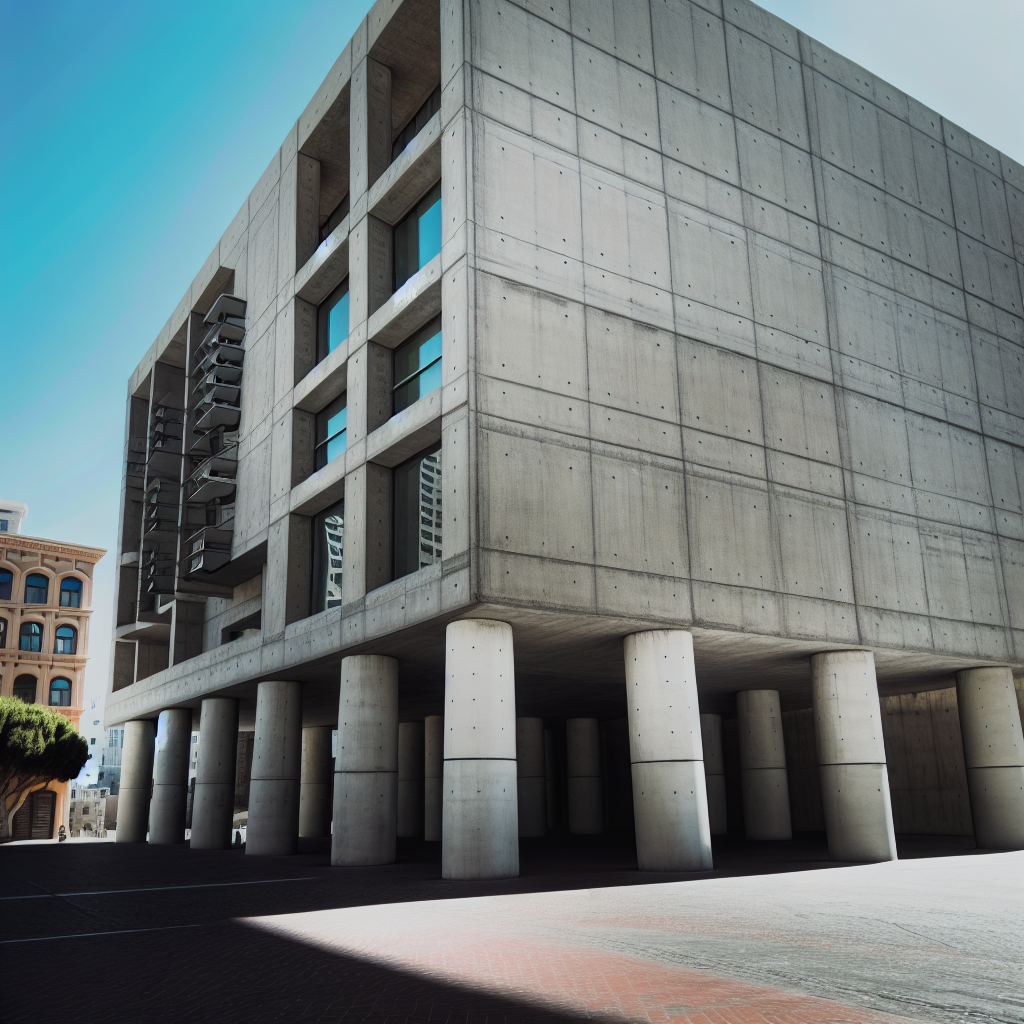
- Look around: Visible signs include base isolators at ground level, exposed reinforced concrete beams, or open-ground floor designs common in modern seismic engineering.
- Use safety apps: Tools like Earthquake Network or QuakeFeed help monitor seismic activity and may inform you about nearby zone readiness.
Recognizing seismic design features not only improves safety, but also enhances your appreciation for local resilience and innovation. Each engineered detail tells a story about that area’s history and forward-thinking development.
Strength You Can Trust: Traveling Smarter with Seismic Design
Seismic design with concrete helps shape both the built environment and the way people experience it. These engineered solutions serve as silent guardians, preserving lives, culture, and heritage—even during nature’s most volatile moments.
From Tokyo high-rises to temples in Kathmandu, from Andes museums to Pacific adventure hubs, the principles of seismic safety support unforgettable travel. As you explore marvels old and new, knowing these structures stand strong through modern design transforms your perspective—and your journey.
Next time you step into a museum, cross a mountain footbridge, or rest your head in a distant inn, consider the engineering below. Seismic design with concrete quietly enables safer, more meaningful travel—building unforgettable memories on solid ground.