Exploring the Benefits of Self-Compacting Concrete in Modern Infrastructure
Self-Compacting Concrete is transforming modern infrastructure by enhancing construction efficiency, improving safety, and blending seamlessly into diverse environments. Travelers often focus on jaw-dropping destinations, but not the infrastructure that makes journeys smoother and more engaging. From Oregon’s scenic roads to Wisconsin’s lakeside boardwalks, this innovative material is quietly revolutionizing the places we explore every day.
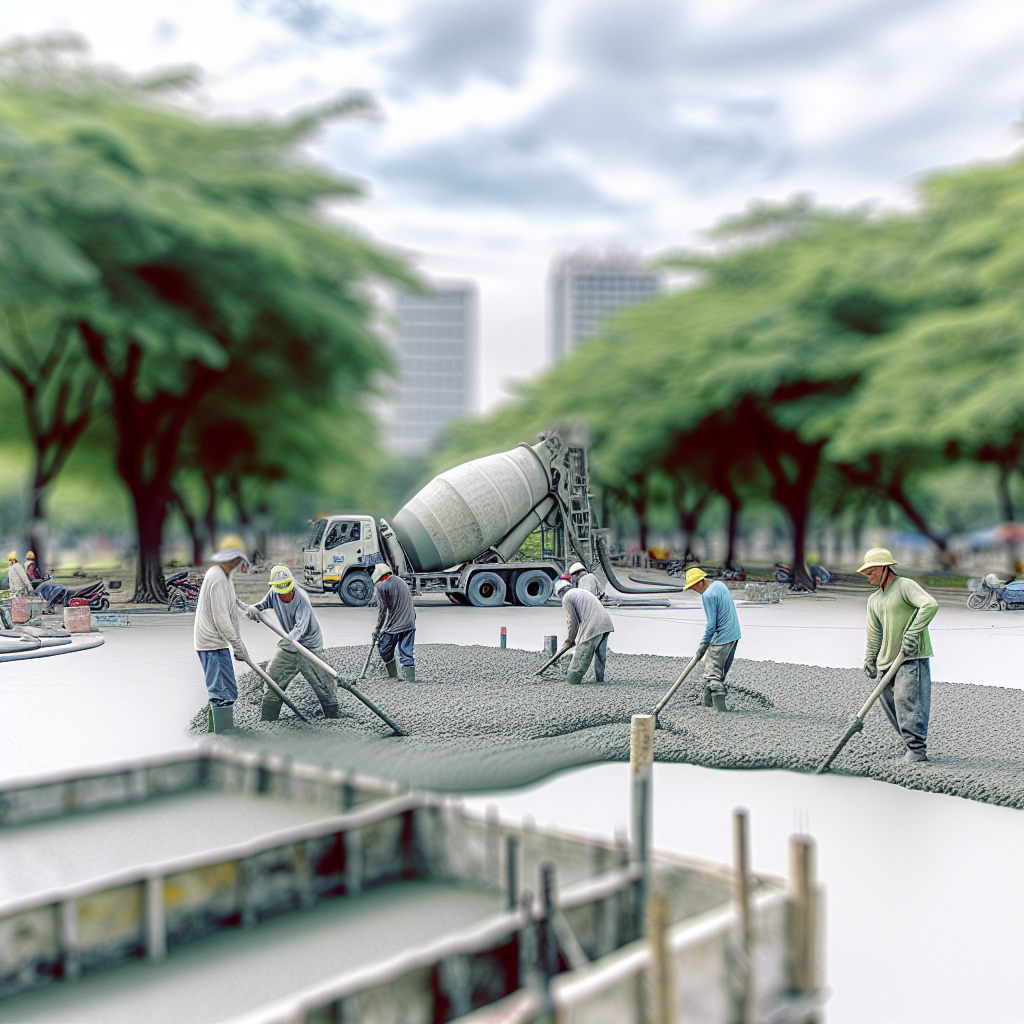
What makes Self-Compacting Concrete stand out is its ability to flow under its own weight, filling complex molds without mechanical vibration. This allows for quicker construction and safer building sites—advantages that directly impact visitor experiences in places like national parks, urban plazas, and heritage walkways. Curious travelers and families alike can now better appreciate how this behind-the-scenes innovation shapes modern adventures.
How Self-Compacting Concrete Enhances Urban Exploration
Cities are the backdrop to countless travel stories—street musicians, pop-up food stalls, hidden courtyards. Self-Compacting Concrete supports these moments through sleek sidewalks, durable bridges, and unique park structures. In Chicago’s Maggie Daley Park, it was selected for the skating ribbon and climbing wall base due to its ability to conform to complex curves without extensive machinery.
This material significantly reduces construction noise, dust, and delays—huge benefits in bustling, family-friendly settings. In Seattle’s Discovery Park, contractors chose Self-Compacting Concrete to upgrade visitor facilities without disturbing nesting birds or the park’s peaceful ambiance. These quiet upgrades improve public spaces for both locals and sightseers.
Next time you stroll through Tampa’s Julian B. Lane Riverfront Park, notice the smooth walkways and sculpted seating areas. That flawless finish? It’s often the result of Self-Compacting Concrete, subtly enhancing visitor comfort and design cohesion.
Boosting Productivity in Outdoor Construction Projects
Outdoor construction projects present challenges—remote access, tight seasonal timelines, and environmental concerns. Self-Compacting Concrete excels in these scenarios. In Colorado’s Garden of the Gods, it was used to create stable paths for hikers and climbers while reducing heavy equipment usage on uneven terrain.
Because it flows easily into forms, Self-Compacting Concrete decreases crew fatigue and shortens construction time. In Zion National Park, SCC streamlined upgrades on shuttle stations and trails, allowing paths to reopen swiftly for eager visitors. Unlike traditional concrete, which requires vibration to compact, SCC adapts to rugged conditions—even around rocks and tree roots—without disturbing the environment.
Need a trail fit for families? Head to Great Falls Park near Washington, D.C. There, new viewing platforms boast quick-set strength, resilience through the seasons, and safer surfaces—thanks to Self-Compacting Concrete working beneath your feet.
Supporting Accessible Design at Cultural Heritage Sites
Historic landmarks often face the dual challenge of preserving their character while improving access. Self-Compacting Concrete bridges this gap beautifully. It can be color-pigmented or textured to mimic historic stone while creating smoother surfaces for universal accessibility.
At San Antonio Missions National Historical Park in Texas, SCC was pivotal in upgrading paths without diminishing historical charm. Similarly, Salem’s House of the Seven Gables used it to improve drainage while maintaining cobblestone appeal for school tours and ghost walks.
In Savannah’s Historic District, photogenic steps transitioning from concrete to cobblestone showcase how Self-Compacting Concrete blends aesthetics with function. These enhancements make cultural destinations more inclusive for wheelchair users, parents with strollers, and solo travelers seeking smoother pathways.
Where Adventure and Engineering Meet
For adrenaline-lovers, adventure relies on infrastructure—zipline launches, belay stations, kayak landings. Self-Compacting Concrete enables these features to exist in wild settings. At Mt. Hood Adventure Park in Oregon, zipline towers use SCC to anchor into uneven, rocky footings, ensuring strength and safety.
In Joshua Tree National Park, climbers benefit from durable belay platforms created using SCC. Meanwhile, in Georgia’s wetland-rich Okefenokee National Wildlife Refuge, SCC helped refurbish submerged boat ramps that stand up to water with excellent early strength capacity.
Next time you gear up for a canyon rappel in Utah’s Moab area or hop onto a forest zipline, know that solid, safe structures are often made viable by Self-Compacting Concrete, supporting adventure in nature’s toughest terrains.
Eco-Friendly Construction for a Greener Tomorrow
Travelers now favor sustainability, and Self-Compacting Concrete aligns perfectly with this ethos. Its self-leveling ability eliminates the need for vibration equipment, reducing energy use, noise, and worker fatigue. Thanks to its dense structure, SCC builds last longer—meaning fewer repairs and less waste.
In Portland, Oregon, urban trails and seating around Tom McCall Waterfront Park deployed SCC to align eco-conscious construction with high-traffic durability. Likewise, San Francisco’s Presidio Tunnel Tops used it to build above active roadways without disrupting parkgoers or producing excessive emissions.
Whether pushing a stroller or biking across a new bridge, travelers can feel confident that Self-Compacting Concrete supports both environmental goals and reliable design—quietly contributing to greener, better-built destinations.
Discover Hidden Gems Built with Self-Compacting Concrete
Some of the most memorable travel stops are unplanned—serene boardwalks, local parks, waterfront viewpoints. Many of these are enhanced by Self-Compacting Concrete. In Boise’s Kathryn Albertson Park, SCC reinforced pond boardwalks and widened trails for improved accessibility and safety.
In artsy Asheville, North Carolina, community amphitheaters and weekend markets benefit from SCC’s versatility and visual appeal. Even in island towns like Friday Harbor in Washington’s San Juan Islands, SCC supports ferry terminals and sculptural seating that mimic local driftwood patterns.
For travelers excited by off-the-beaten-path discoveries, these improvements showcase how Self-Compacting Concrete shapes experiences—as a silent trailblazer in travel-friendly design across cities, coastlines, and countryside escapes.
The Foundation Beneath Memorable Journeys
From high mountain overlooks to historic urban districts, Self-Compacting Concrete plays a vital role behind the scenes. It shortens project timelines, lowers noise levels, and creates strong, aesthetically integrated structures that last. More than just a concrete type, SCC supports accessible, sustainable, and unforgettable adventures.
Next time you cross a graceful pedestrian bridge, explore a newly reopened trail, or relax in a beautifully crafted plaza, take a moment to recognize the foundation beneath your feet. It’s likely Self-Compacting Concrete—working quietly to enrich your travels one smooth path at a time.