Concrete edging tools are essential for achieving a clean, professional finish on concrete projects. These tools go beyond skillful pouring and finishing, providing the crisp lines and polished look needed for varied applications such as residential driveways and large-scale commercial sites. In the concrete industry, mastering these tools is crucial for optimizing both aesthetics and functionality.
The Importance of Concrete Edging Tools
Concrete edging tools define the edges of slabs, sidewalks, patios, and other structures. They create smooth, defined borders that enhance visual appeal and durability by minimizing cracks and wear. Projects must withstand environmental stresses, including freeze-thaw cycles, making well-edged concrete resilient against these conditions.
In places like Austin, Texas, where ground shifts and extreme climate conditions occur, contractors often use wear-resistant stainless steel edging tools to manage cracks. These tools provide clean lines while resisting rust and damage.
Types of Concrete Edging Tools
Various concrete edging tools meet different job site demands. Each offers distinct advantages, whether the project involves a garden path or an industrial floor.
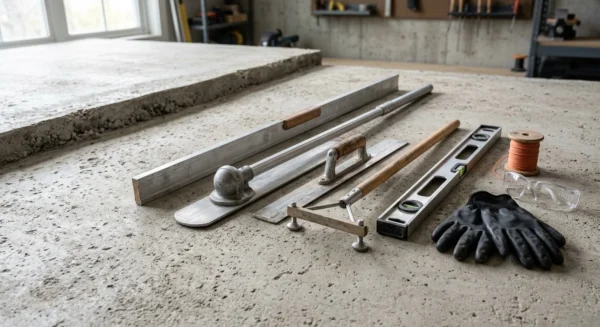
- Hand Edgers: Ideal for small areas and detail work, hand edgers feature a flat or curved metal base with a rolled edge for smooth transitions. Durable and ergonomic options from brands like Marshalltown make detailed work less strenuous for site workers.
- Edging Trowels: These trowels with rounded edges create precise angles and edges, suitable for finishing both large and small surfaces.
- Power Edgers: For large commercial jobs, such as warehouses in Chicago, walk-behind machines enhance speed and consistency.
Selecting Concrete Edging Tools
Choosing the right concrete edging tools depends on the project’s scale, complexity, and local weather conditions. For projects involving 4000 PSI concrete with specific slump levels, using an edging tool that prevents slump adjustment while shaping is essential for structural integrity.
In frost-prone areas, tools with patterns that allow slight texture on the edge improve traction during icy conditions. In Omaha, contractors use hand edgers with deeper grooves to enhance safety and longevity against freeze-thaw damage.
Effective Use of Concrete Edging Tools
Professionals use several best practices to maximize the performance of concrete edging tools:
- Start Timing Appropriately: Begin edging when the concrete is set enough to resist indentation but still malleable. This is often around 30 minutes after placement, though temperature and humidity can affect timing.
- Maintain Uniform Pressure: Apply consistent pressure for even edging, avoiding depth variations that could impact water runoff or aesthetics.
- Maintain Tools: Regular cleaning and inspection of tools prevent project delays and substandard finishes.
Common Missteps in Concrete Edging
Avoid these common mistakes, as they can lead to compromised finishes:
- Avoid Over-troweling: Excessive refinement can weaken edges, as aggregate is pushed away, leading to premature breakage.
- Use Tools Correctly: Using a heavy-duty trowel for delicate work can produce poor results, emphasizing the need for tool-specific application.
- Consider Environmental Factors: Neglecting wind and temperature can affect curing. In windy regions like Oklahoma City, rapid drying is a common issue.
Enhancing Edging with Mix and Cure Techniques
Proper concrete mixes with additives, like air entrainers, elevate finish quality, especially in climates with temperature fluctuations. Projects in Minneapolis benefit significantly from these adjustments. Effective curing practices, such as sprinkling or using curing blankets, further mitigate stress and cracking.
In certain climates, site managers instruct teams to cover newly edged concrete promptly, ensuring comprehensive curing while preventing surface hydration loss.
Safety and Compliance Considerations
Safe use of concrete edging tools involves personal protective equipment and regulatory compliance. Workers should wear gloves and eye protection to guard against debris. Following OSHA guidelines ensures a safe work environment, especially on larger sites with powered equipment.
The use of roll-off edges compliant with local building codes reduces liability and enhances structural resilience. The right concrete edging tools contribute significantly to achieving clean, durable finishes, as these tools continue to evolve. By adapting to new materials and methods, projects consistently meet and exceed professional standards.