In the dynamic world of construction, maintaining the integrity and longevity of concrete structures is paramount. One key element that plays a crucial role in preserving concrete slabs is the concrete expansion joint filler. This material is indispensable in allowing for the natural expansion and contraction of concrete surfaces, a critical consideration in both residential and commercial worksites. Selecting the right filler not only enhances the durability of structures but also aids in preventing unsightly cracks and potential structural failures.
Understanding Concrete Expansion Joint Filler
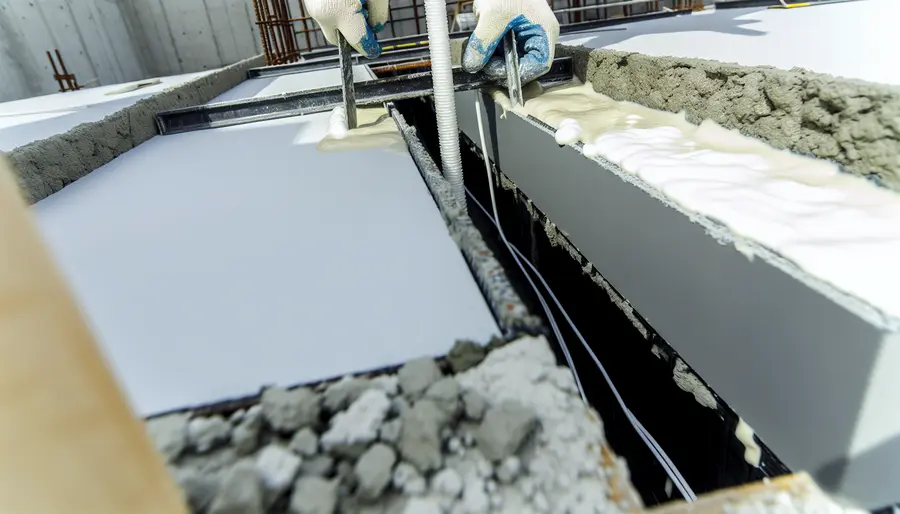
Concrete expansion joint fillers are essential components in construction projects that involve large concrete pours. They are used to fill the gaps between concrete slabs to absorb the stress caused by thermal expansion and contraction. These fillers come in various forms, including compressible materials like foam, cork, and rubber, or more rigid options like asphalt-based fillers.
The choice of an appropriate concrete expansion joint filler depends on several factors such as environmental conditions, expected traffic load, and the specific requirements of the project. For instance, in a location like Phoenix, AZ, which experiences wide temperature variations, a resilient filler capable of handling thermal stress is imperative. Conversely, in a loading dock exposed to heavy equipment in Chicago, IL, a more robust filler with high tensile strength might be necessary.
Selecting the Right Material
Choosing the correct concrete expansion joint filler involves assessing where the concrete will be placed and the specific demands of the site. Key considerations include climate, foot and vehicular traffic, exposure to chemicals, and anticipated joint movement.
For instance, in areas with high moisture or chemical exposure, a polyurethane or silicone-based sealant may be advantageous due to its durability and resistance to chemical degradation. In contrast, asphalt-based fillers are often selected for industrial areas requiring higher load-bearing capacities. Professional contractors in regions like Seattle, WA, where rainfall is frequent, often prefer sealants offering waterproofing capabilities alongside flexibility.
Pro Tips for Installation
Proper installation of concrete expansion joint filler ensures its effectiveness and the integrity of the concrete sections involved. Here are some expert tips:
- Preparation: Ensure that the joint is clean and dry before applying any filler to prevent adhesion issues. This may involve pressure washing or vacuuming the joint spaces to remove debris.
- Application: Apply most liquid fillers to a joint with a consistent depth. Using backer rods helps maintain the desired depth, especially in wider joints.
- Tooling: Use appropriate tools for spreading and smoothing the filler. A caulking gun may be necessary for narrow joints, while a concrete trowel might work better for wider gaps.
- Mix Recommendations: Adhere strictly to manufacturer instructions for mix ratios, especially when using multi-part fillers like epoxies.
- Curing: Allow adequate time for the filler to cure completely, typically between 24-48 hours, depending on the material, ambient temperature, and humidity.
- Safety Considerations: Wear protective gear, including gloves and respirators, especially when handling chemical-based fillers to prevent inhalation or skin contact.
Common Mistakes in Installation
Even seasoned professionals can encounter issues if common pitfalls are not avoided:
- Improper Joint Sizing: Failing to account for the correct joint width and depth can lead to premature failure. Ensure accurate measurements before selecting materials.
- Ignoring Environmental Factors: Not considering temperature and humidity variations can impact the filler’s flexibility and bonding capabilities.
- Skipping Surface Prep: Inadequate cleaning of joints leads to poor adhesion and potential ingress of moisture.
- Incorrect Material Selection: Always select fillers matching the project’s specific demands, such as UV resistance for outdoor joints exposed to direct sunlight.
Ensuring Longevity
Regular inspection and maintenance of concrete expansion joints are critical for sustaining their functionality over time. Establish a maintenance schedule that includes monthly inspections and seasonal checks to help identify signs of wear, such as cracking or detachment of the filler, thereby enabling timely interventions.
In industrial settings like warehouses or factories, replace the filler material every 3-5 years, or sooner if significant wear occurs due to heavy machinery. Ensuring that the concrete expansion joint filler retains its ability to accommodate joint movement is vital for preventing costly repairs and extending the lifespan of the concrete structure.
Ultimately, selecting the right concrete expansion joint filler is a nuanced process that requires consideration of site-specific requirements and environmental conditions. By emphasizing proper material selection, installation techniques, and maintenance strategies, construction professionals can ensure aesthetically pleasing and structurally sound projects. Whether you’re a contractor managing a high-rise project in New York City or a DIY enthusiast in a rural setting, appropriate handling of expansion joints can make all the difference in the success and longevity of concrete structures.