Why Concrete Curing Methods Matter for Safe Travel and Adventure Infrastructure
Concrete curing methods are essential for building and maintaining the sturdy footpaths, bridges, and viewing platforms that make outdoor exploration both safe and enjoyable. Whether it’s a winding trail near Seattle or a scenic overlook in Colorado Springs, these reinforced concrete structures rely on effective curing for strength and longevity.
From solo hikers to family adventurers, travelers around the world depend on solid infrastructure to explore nature and heritage sites. But few realize the role that proper curing plays in supporting these experiences. When done correctly, concrete curing helps structures resist cracking, scaling, and premature failure—ensuring safer journeys for years to come.
Concrete Curing Methods: Strength Beneath Your Feet
Concrete curing is a process that maintains moisture and temperature over time, allowing concrete to reach its maximum potential. Without correct curing, even the most carefully poured concrete can suffer structural issues. Whether you’re trekking across lava fields in Iceland or exploring the heights of Machu Picchu, the strength of the surface beneath your feet starts with curing.
The beauty of modern concrete curing methods lies in their adaptability. Different environments demand different techniques. In tourist-heavy parks like Zion National Park, pathways endure fluctuating conditions and heavy foot traffic. Tailored curing approaches there help prevent costly damage and extend the life of outdoor infrastructure.
Essential Concrete Curing Methods Used in Travel Landscapes
No single solution fits every project. The best concrete curing methods depend on climate, terrain, and use case. Below are the most effective solutions implemented across diverse environments:
1. Water Curing
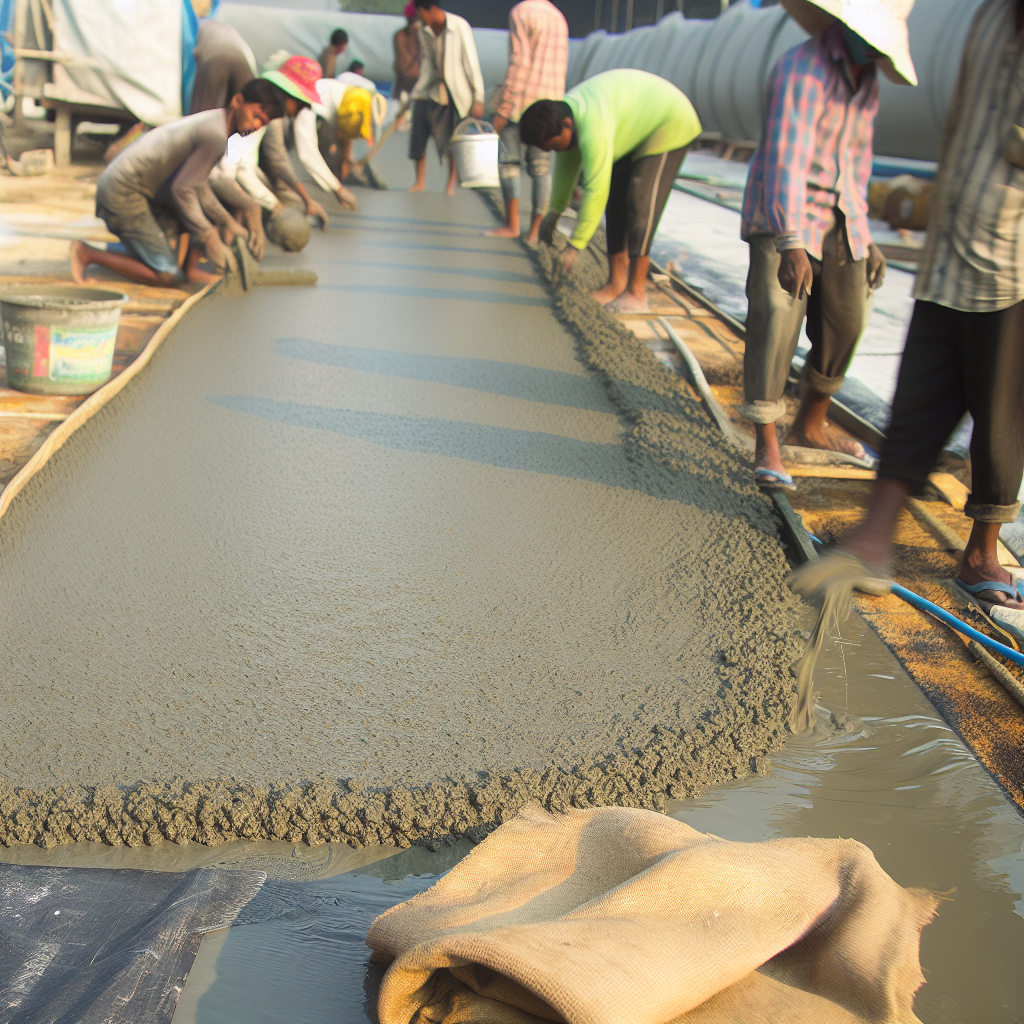
In arid areas like the Sonoran Desert, water curing is preferred for its effectiveness in maintaining surface hydration. Techniques include fogging, sprinkling, and wet coverings. In places like Tucson’s shaded plazas, this method keeps walkways resistant to cracking, even during extreme summer heat.
2. Membrane-Forming Compounds
When water is scarce, contractors turn to curing compounds. These sprays form a thin membrane that traps moisture in the concrete. Trails in Death Valley and mountain paths in Patagonia benefit from this technique, preserving structural integrity under intense sun and wind.
3. Board-Form and Shade-Based Curing
In historic and aesthetic-driven settings, board-form curing is common. Timber molds help retain moisture, while natural shade slows evaporation. Stone bridges in Florence or Dubrovnik rely on these artisanal methods that honor tradition while ensuring durability.
4. Cold Weather Curing with Insulation
Freezing climates pose major challenges for concrete. In alpine locations like Banff National Park, insulated blankets or heated enclosures protect curing structures. Ski resorts and snow-filled trails remain secure thanks to these winter-specific strategies.
5. Steam Curing for Speed and Strength
Urban areas benefit from steam curing—an accelerated method often used for precast concrete. It enables structures like New York’s High Line or Tokyo’s transit platforms to open quickly without sacrificing safety or durability.
Global Insights: Local Tricks for Effective Concrete Curing
Locals around the world have developed creative curing strategies suited to their climates. Maintenance teams along the Malecón in Guayaquil leverage river mist as a natural curing aid. In Belize, crews still use palm fronds—a method passed through generations—to cover freshly poured concrete.
Venice engineers manage tidal exposure to assist environmental curing beneath canal supports. On Hawaii’s Big Island, solar tents manage concrete temperatures on lava-affected trails. These site-specific methods are tried, tested, and vital for safety in unique ecosystems.
Concrete Curing Methods Supporting Eco-Tourism and Conservation
Properly cured concrete contributes significantly to sustainable tourism. It reduces long-term repair needs, minimizes resource waste, and ensures trails blend harmoniously with natural and cultural landmarks. In fragile areas like the Galápagos or Norway’s fjords, careful curing prevents damage to the surrounding environment.
In Oaxaca, artists work with pigmented concrete cured under cloth to create vivid infrastructure that combines beauty with resilience. At the Cliffs of Moher, step-by-step curing schedules ensure each improvement aligns with both tradition and the rugged Atlantic landscape. These practices support tourism while honoring the land.
Resilient Travel, Thanks to Reliable Concrete Curing Methods
Whether you’re admiring Delicate Arch in Utah, wandering the Supertree Grove in Singapore, or circling a remote alpine lake, you’re walking on the results of expert concrete curing methods. These processes—though often invisible—play a powerful role in keeping you safe and grounded during your journey.
By understanding how curing supports paths, platforms, and rails, travelers gain a deeper appreciation for the infrastructure that quietly enhances their adventures. Well-cured concrete is more than material; it’s peace of mind underfoot, crafted through science, care, and local ingenuity.
So the next time you set foot on a boardwalk in Key West or a clifftop path in the Faroe Islands, thank the curing process that makes such experiences not only possible—but lasting.