Concrete finishing tools are fundamental to achieving a professional-grade surface in any concrete project. Having the right set of tools ensures durability and smoothness, minimizing the risk of costly repairs. Whether tackling a large project or a small DIY task, correctly using these tools is essential.
Essential Concrete Finishing Tools for Every DIYer
Mastering concrete finishing begins with the right equipment. While project complexity varies, certain concrete finishing tools remain essential for all. Equip yourself with these tools to achieve optimal results on your next project.
Square Shovel
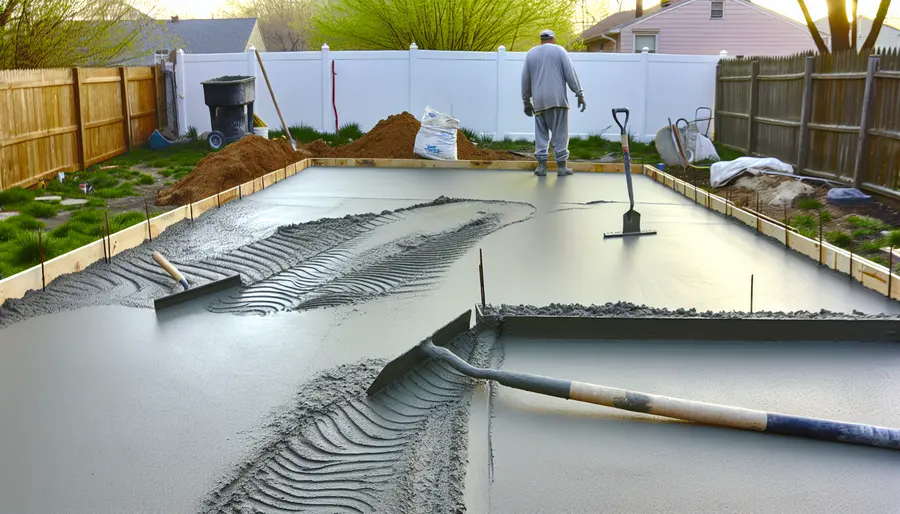
A square shovel is crucial for spreading concrete precisely across the work area. It enables accurate placement and movement of freshly poured concrete, particularly in corners and edges. Keeping several around the site helps ensure even distribution without leaving voids or air pockets.
Concrete Rake
The concrete rake, with its flat head and smooth tines, levels and distributes the mix post-pouring. It maintains consistent depth, essential for a uniform slab. A long-handled rake reduces back strain during extensive projects.
Magnesium Float
Using a magnesium float creates a smooth surface by bringing the cream to the top and eliminating small imperfections as the concrete cures. Its lightweight yet durable design allows for easy handling without compromising the finish quality.
Steel Trowel
A steel trowel enhances smoothness after the magnesium float. By further compressing the surface, it achieves a denser, more polished finish. Timing is key; use the trowel when the surface offers some resistance but isn’t fully set to avoid imperfections.
Edger and Groover
Concrete edgers form smooth, rounded edges on slabs, preventing cracks or chips and elevating the project’s professional appearance. Groovers create control joints to manage crack placement during curing, following specific patterns and intervals based on slab area and weather conditions.
Practical Tips for Working with Concrete
Beyond using concrete finishing tools, these tips help optimize results:
- Concrete Mix: Select a mix with the right PSI rating. Residential paths or driveways typically require 2500-4000 PSI, while industrial slabs may need 5000 PSI or more.
- Slump Level: A 4-5 inch slump balances workability and minimizes cracking potential for most tasks.
- Curing Strategy: Ensure proper curing with moisture retention using wet burlap or curing compounds, critical for strength and durability.
- Reinforcement: Consider rebar or wire mesh based on load expectations and slab application.
- Climate Considerations: Account for local weather; extreme temperatures can affect curing and strength.
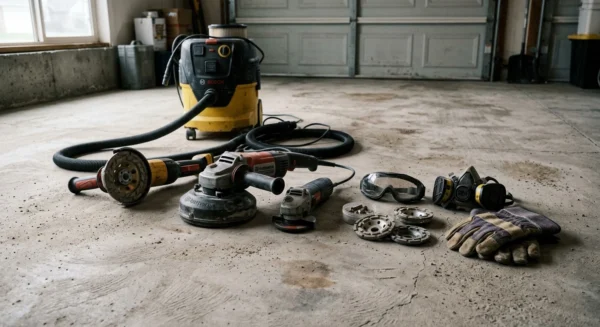
- Equipment Safety: Wear PPE, including gloves, goggles, and masks, to protect against caustic reactions and dust.
Preventing Common Mistakes in Concrete Finishing
Understanding common pitfalls enhances your concrete project’s quality. Avoid starting the finishing process too early or late to maintain surface quality. Wait for bleed water to evaporate before floating and troweling.
Weather protection is critical. Do not pour or finish concrete in rainfall unprotected, as water can compromise surface integrity. Provide insulation or heating for freshly placed concrete in cold conditions to prevent freezing.
Incorporating properly calculated expansion joints is essential to prevent visually unappealing and structurally detrimental cracks.
Using the Right Tools for High-Quality Concrete Projects
With the correct concrete finishing tools and a strategic process understanding, both DIY enthusiasts and professionals can achieve high-quality results. The success of a well-finished concrete surface depends on the tools, techniques, planning, and attention to detail applied throughout the project. Use the right tools and tips to ensure a smooth, durable concrete surface that withstands time.