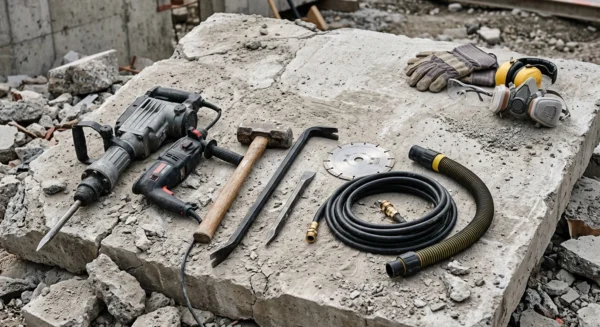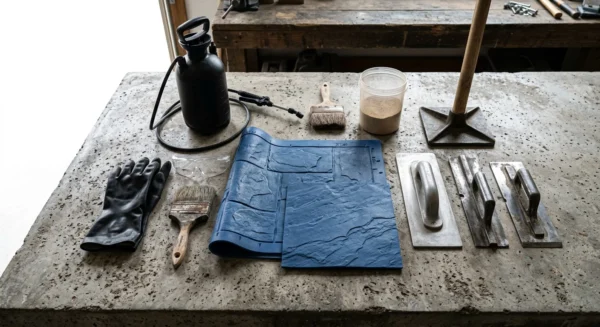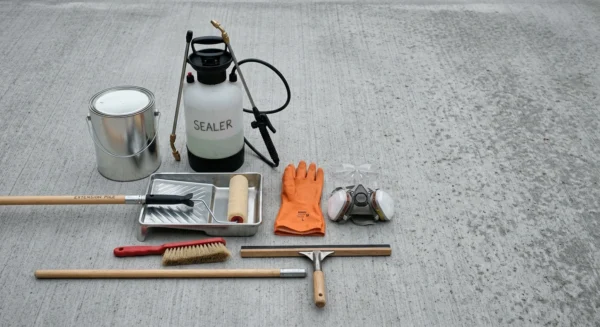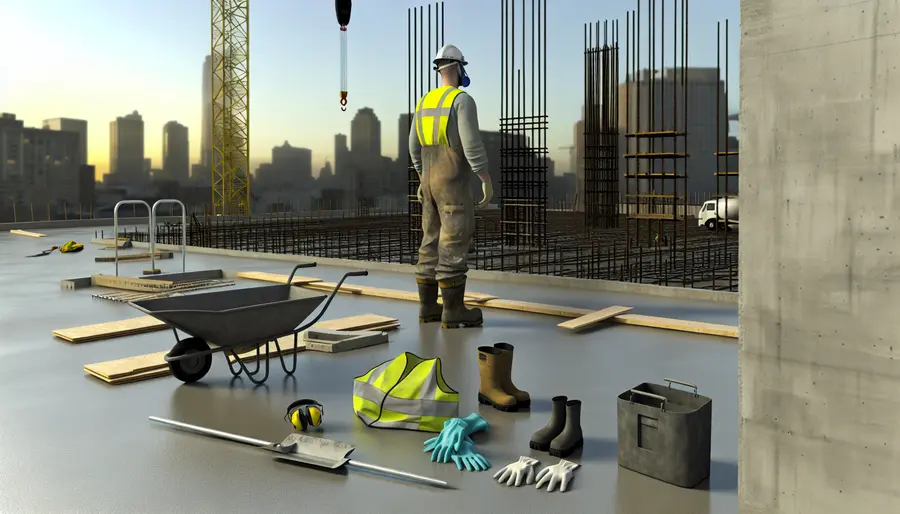
Ensuring safety gear for concrete work is essential in the construction industry. Concrete work exposes workers to various hazards, making proper safety equipment paramount. Whether a seasoned project manager or a DIY enthusiast, using the correct gear can prevent accidents and increase efficiency.
Protective Clothing: Essential Defense
Appropriate clothing is vital for safety during concrete work, as concrete is corrosive and can cause skin irritation. Long-sleeved shirts and pants made from non-reactive fabrics like cotton are recommended for breathability. Disposable coveralls can offer additional protection against wet concrete.
During reinforcement tasks, clothing with flame retardant properties provides extra safety. Handling rebar in confined spaces requires attention to sharp edges, so ensure attire is durable and resistant to workplace hazards.
Protecting Hands with Gloves
Hands play a crucial role in concrete work, so choosing the right gloves is essential. Nitrile-coated gloves protect against concrete’s alkalinity while maintaining grip and dexterity. In colder climates, insulated gloves keep hands warm, while breathable materials are better for hot environments to prevent sweat build-up and slippage.
Eye and Face Protection
Concrete work generates considerable dust and debris, making eye and face protection indispensable. Safety glasses with side shields minimize risks from flying particles, and full-face shields offer comprehensive protection during activities involving chemicals. Goggles with antifog capabilities ensure clear visibility despite temperature changes.
Footwear: Safety Foundation
Proper footwear is a barrier against many hazards in concrete workspaces. Steel-toed boots protect from heavy materials, and slip-resistant soles maintain stability on slick surfaces. Waterproof boots prevent exposure to wet concrete, while puncture-resistant insoles offer additional protection.
Respiratory Protection
Particulate matter from concrete processes poses inhalation risks. Dust masks suffice for low-exposure tasks, but respirators with appropriate filters are required for intensive work. Ensure proper ventilation in large indoor pours to reduce reliance on personal respiratory protection.
Hearing Protection
Construction sites are noisy, and concrete work contributes significantly to this. Earplugs and earmuff defenders protect against hearing damage from prolonged exposure to high decibel levels. Correct fit ensures effective hearing protection.
Fall Protection
Some concrete work requires elevation, making fall protection crucial. Harness systems, safety nets, and guardrails prevent fall-related injuries. Equipment must adhere to OSHA standards, and regular inspections and maintenance are critical.
Using appropriate safety gear for concrete work is essential for compliance and fostering a safety culture. Prioritizing protective clothing, gloves, eye wear, footwear, respiratory protection, hearing protection, and fall safety creates a work environment that reduces risks and enhances productivity.