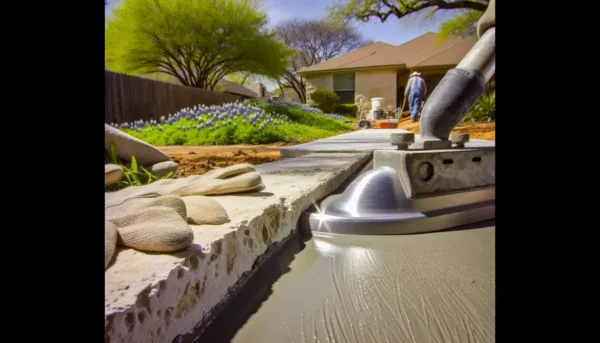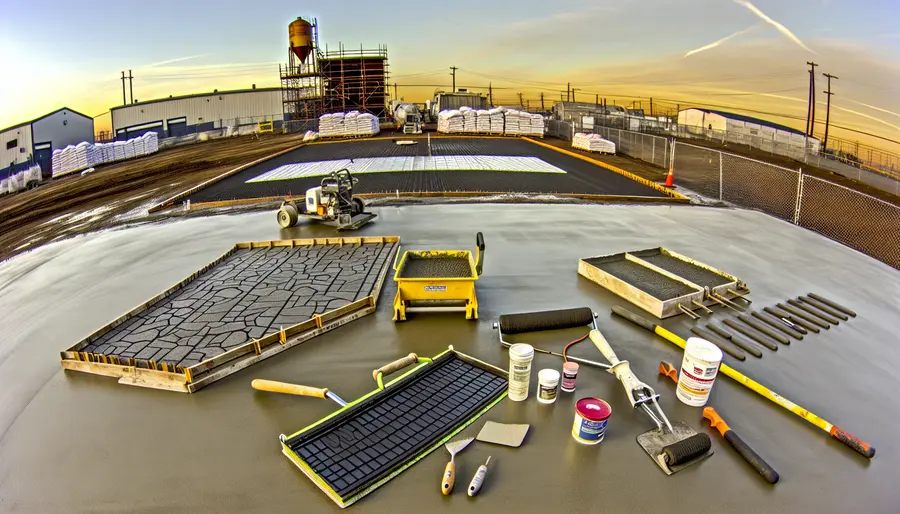
Embarking on a stamped concrete project requires the right stamped concrete tools for achieving professional-grade results. This comprehensive guide will cover the essential tools and equipment necessary for successful stamped concrete installations. Understanding the full range of tools available can help you deliver projects with precision and efficiency, whether you are a seasoned contractor or a DIY enthusiast.
Concrete Mix Considerations for Stamped Concrete
The journey to high-quality stamped concrete begins with the perfect mix. The mix should typically have a compressive strength of at least 3000 psi. In some climates or for heavy-duty applications, mixes of 4000 psi or more may be preferable. Slump should be within a 4 to 5-inch range to ensure workability without compromising structural integrity. Incorporating additives like plasticizers can enhance fluidity without increasing water content, preserving strength.
Use integral color as part of the mix to give a base color that runs throughout the concrete. This reduces the visibility of any potential surface chips or wear. Not all ready-mix suppliers are familiar with stamped concrete mixes, so clear communication about your project specs is crucial to avoid common pitfalls.
The Basics of Stamped Concrete Tools
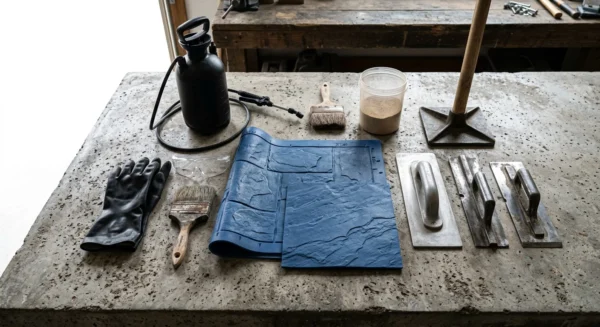
A high-quality set of stamp mats matching your desired pattern is crucial. These mats, which mimic natural materials like stone, slate, or brick, come in various designs. Choosing durable polyurethane mats ensures long-term usability and pattern fidelity.
Texture rollers allow you to imprint large areas efficiently. For edges or detailed areas, flexible stamping skins offer versatility and the ability to conform to tighter contours. A well-crafted texture shoe and sturdy stamping shoes protect surfaces and prevent unwanted marks while walking on freshly laid concrete.
Safety Equipment and Maintenance Tools
No project is without its hazards. Essential safety gear includes gloves, protective eyewear, and dust masks. Knee pads offer critical comfort and protection during long hours on-site.
Maintaining your stamped concrete tools ensures longevity and performance. Keep a stiff bristle brush for cleaning tools after each use. Rust inhibitors and proper storage solutions will guard against corrosion, especially for steel tools. A proactive maintenance protocol also helps avoid the cost of tool replacement.
Advanced Tools for Complex Stamping Jobs
For intricate projects, additional stamped concrete tools can make a significant difference. Motorized concrete floats and bull floats are excellent for leveling and smoothing large areas efficiently. While laser screeds might seem extravagant, they provide precision and speed, essential for high-volume projects.
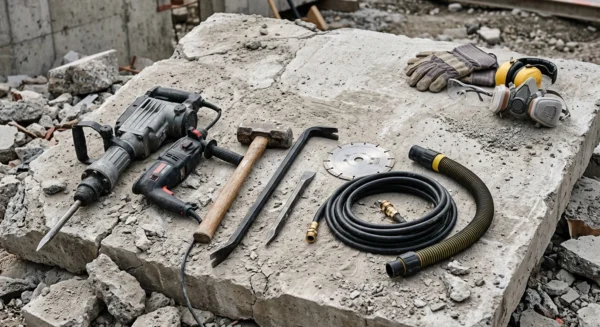
When texturing vertical surfaces, use vertical stamping tools. This specialty equipment allows contractors to mimic natural textures on surfaces requiring skilled attention. Incorporating concrete saws for precise cuts and decorative joints can enhance visual appeal and functional integrity.
Curing and Finishing Details
Proper curing strategies are vital for long-lasting stamped concrete. Apply a high-quality curing compound immediately after stamping to retain moisture during the critical curing phase. Adjusting curing methods to climate conditions can prevent surface cracking and structural weaknesses.
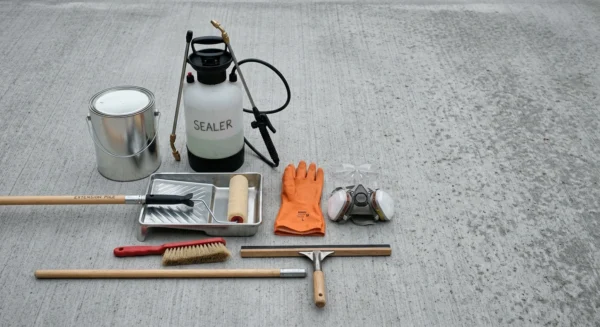
Achieving the ideal finish might involve applying a release agent before stamping, which prevents mats from sticking to the surface. After curing, consider applying a sealer to enhance color and protect against UV damage and staining. Choose a non-yellowing, breathable sealer and reapply it over time as needed.
Troubleshooting Common Stamping Issues
Despite meticulous preparation, stamping problems may occur. Issues like pattern misalignment and inconsistent texture depth are common. Always have an adjustment strategy ready, such as a grout line cutting tool to correct and disguise minor errors.
Experienced contractors recommend frequent visual checks to verify alignment. For large pours, additional crew might be needed to ensure swift tool operation and consistent patterns. Humidity and temperature can affect setting times, so regular forecasting is essential for preventing complications.
On-Site Best Practices and Final Touches
Organize stamped concrete tools in a workflow sequence to streamline operations. Clean equipment can save time during critical project stages. Clear communication amongst team members ensures everyone understands their role and the sequence of operations.
As you apply final details, inspect for surface irregularities and meticulously touch up grout lines and joint details. Conducting an in-depth review of the finished product assures quality and enhances team expertise for future projects.
Combining expertise, the right equipment, and strategic execution, stamped concrete projects can deliver captivating aesthetics and enduring performance.