Understanding Lightweight Concrete
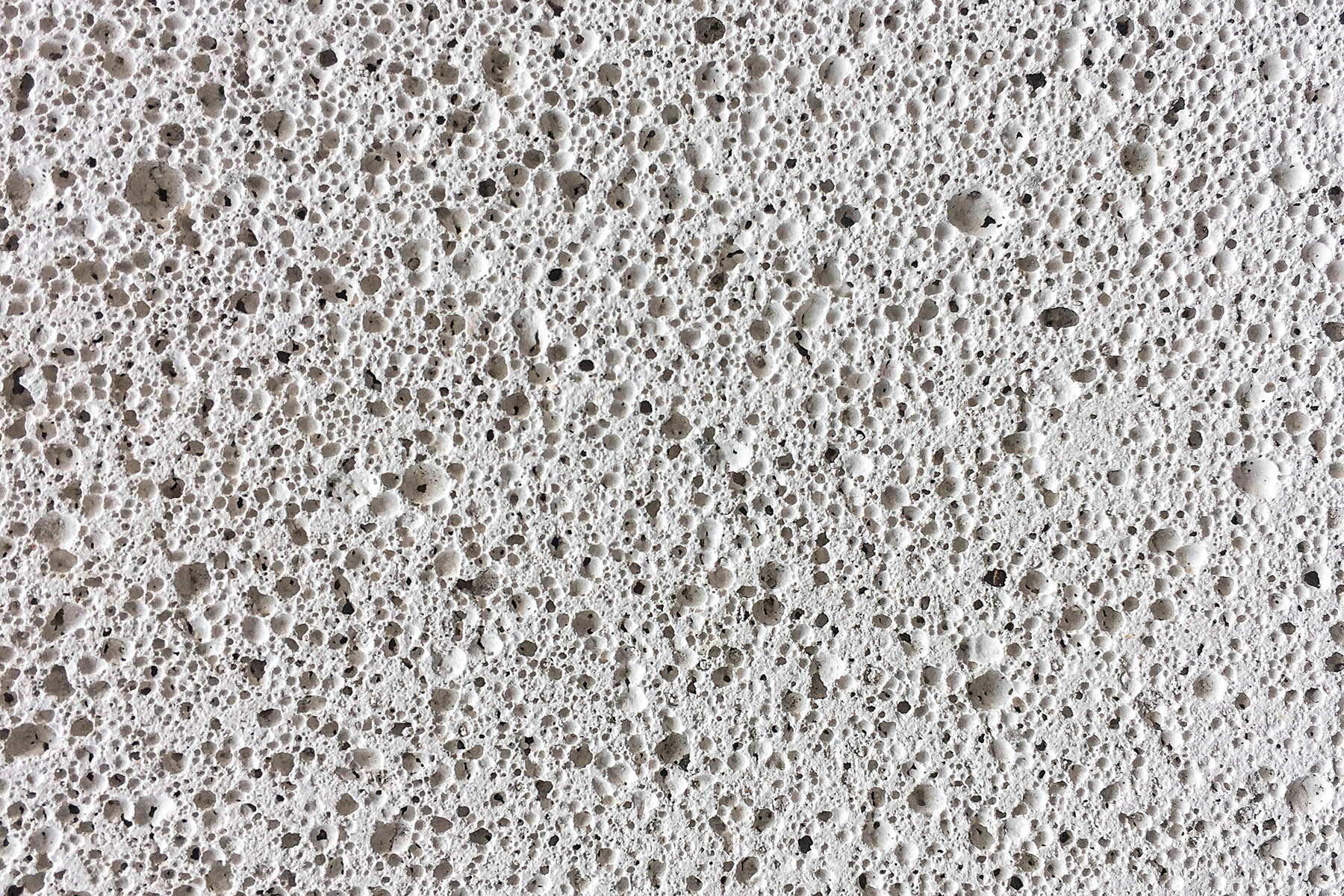
Lightweight concrete uses aggregates or aerating agents to reduce density while maintaining strength and durability. Unlike traditional concrete, which is dense and heavy, this. material offers several advantages in terms of construction efficiency, insulation properties, and design flexibility.
Advantages of Lightweight Concrete
One of the primary advantages of lightweight concrete is its reduced weight, which results in lower structural loads and transportation costs during construction. This makes it particularly suitable for high-rise buildings, where weight considerations are critical. Additionally, it offers improved thermal insulation properties, helping to regulate indoor temperatures and reduce heating and cooling costs. Its lower density also results in reduced formwork requirements and construction time, leading to overall cost savings and project efficiency.
Applications in Building Design
This concrete is used in various building designs where weight reduction, thermal insulation, and design flexibility are needed. In residential construction, it is applied to floor and roof systems to reduce dead loads and improve energy efficiency. In commercial buildings, it is used for cladding panels, partition walls, and facades to enhance thermal performance and acoustic insulation. It is also utilized in infrastructure projects like bridges and tunnels, where weight restrictions and seismic considerations are crucial.
Types of Lightweight Concrete
There are several types of concrete, each with its unique composition and properties. Aerated concrete, also known as cellular concrete, incorporates air voids or bubbles to reduce density and improve thermal insulation. Lightweight aggregate concrete utilizes aggregates such as expanded clay, shale, or pumice to achieve lower densities while maintaining structural integrity. Foam concrete, produced by introducing foam into the concrete mix, offers excellent thermal insulation and is often used in void fill and insulation applications.
Sustainable Benefits
In addition to its structural and thermal advantages, lightweight concrete also offers sustainable benefits in terms of resource efficiency and environmental impact. By reducing material usage and transportation costs, this material helps minimize carbon emissions and energy consumption associated with construction activities. Furthermore, its thermal insulation properties contribute to energy savings in building operation, reducing reliance on heating and cooling systems and lowering carbon footprint over the building’s lifespan.
Final Thoughts
Lightweight concrete is a versatile building material that offers numerous advantages in terms of construction efficiency, thermal performance, and sustainability. Lightweight concrete offers reduced weight, improved insulation, and design flexibility. It is increasingly used in building design to address modern construction challenges and meet sustainability goals. Architects, engineers, and builders can leverage its advantages to create innovative, energy-efficient structures.