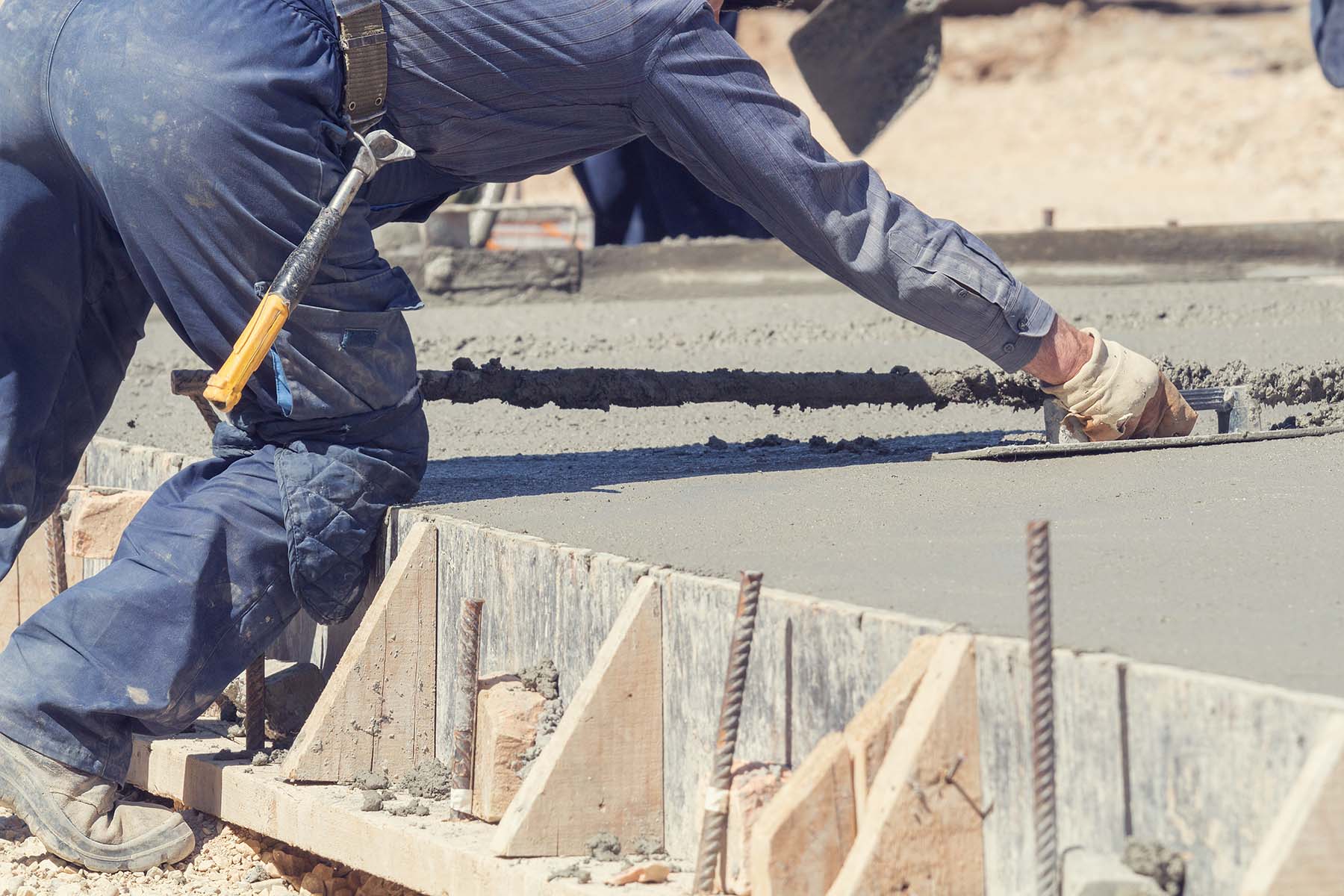
Pouring concrete in the rain is a common concern in construction projects. While it is possible under certain circumstances, wet weather poses significant challenges and risks. Let’s examine the effects of rain on concrete, the potential problems it can cause, and the measures that can be taken to mitigate these issues.
How Rain Affects Concrete Pouring
Rain can compromise the quality of freshly poured concrete. The additional water from rainfall may dilute the mix, leading to reduced strength and durability. Rain can also cause surface imperfections, such as blemishes and uneven finishes, that affect the concrete’s appearance and long-term performance.
Challenges of Pouring Concrete in Rainy Conditions
Rain introduces several obstacles to successful concrete pouring. Excess water weakens the concrete’s compressive strength, increasing the likelihood of cracks and reducing its lifespan. Wet conditions also extend the curing time, delaying project schedules. Raindrops can mar the surface, leading to imperfections that impact both aesthetics and functionality. Furthermore, rain creates slippery work conditions, posing safety risks for construction crews.
Strategies for Pouring Concrete in the Rain
Avoiding rain is the best approach for concrete pouring, but when wet weather cannot be avoided, several strategies can help minimize its impact. Monitoring weather forecasts is crucial to identify dry periods for scheduling pours. To protect the concrete from rainfall, waterproof tarps or plastic sheeting can be used as effective coverings. Adjusting the concrete mix is another critical step; reducing water content or incorporating additives can enhance strength and accelerate setting time. Proper drainage systems should also be in place to direct water away from the construction site and prevent pooling. Additionally, temporary structures such as tents or shelters can create a controlled environment, safeguarding the pour and ensuring the concrete sets under optimal conditions.When Is It Safe to Pour Concrete in the Rain?
Ppouring in rain can only proceed when specific precautions are met. The mix should be adjusted with additives to enhance its curing process. The concrete’s temperature must be suitable to resist water dilution, and experienced professionals should oversee the project to ensure quality control.
Final Thoughts
Pouring concrete in the rain is a challenging endeavor that requires careful preparation and expertise. While it’s best to avoid rainy conditions, protective measures and skilled contractors can make pouring possible when delays are unavoidable. Proper planning ensures the concrete retains its durability, appearance, and performance despite the weather.