Concrete mixing tools are essential in the realm of small-scale construction projects. Just as the right brushes are crucial to a painter, these tools ensure quality, precision, and efficiency in mixing concrete. Understanding the range of concrete mixing tools available is crucial, whether you’re pouring a new patio, installing a driveway, or creating architectural forms, to achieve professional-grade results.
Understanding Concrete Mixing Tools
Concrete mixing tools vary widely in size and features, designed to meet the specific needs of different projects and site conditions. For smaller projects, options include manual mixers, small drum mixers, and hybrid models that offer ease of use with increased mixing capacity. The choice of tool depends on the project scale, desired mix consistency, and materials used.
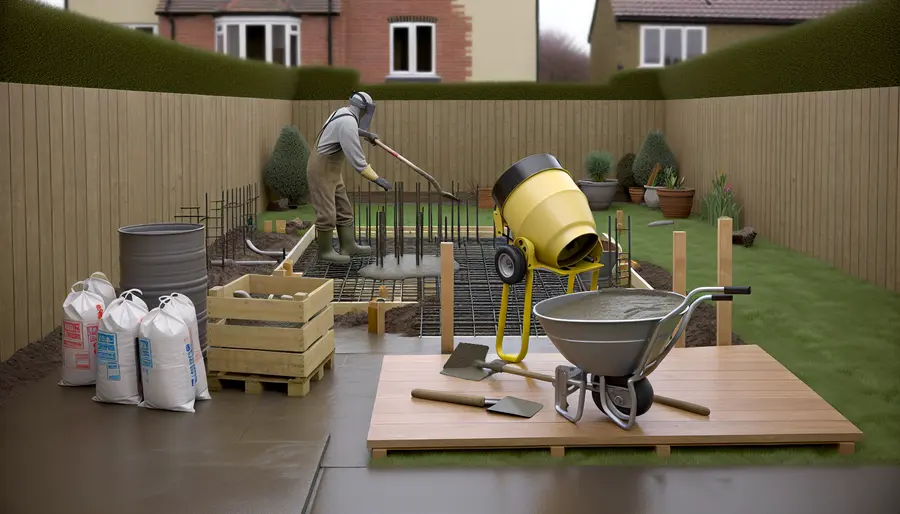
A hand-held electric concrete mixer, for instance, is invaluable for home improvement tasks like patchwork or masonry repairs. These mixers are user-friendly, plug into standard outlets, and efficiently handle small concrete batches. In contrast, small drum mixers are better suited for larger tasks needing substantial concrete quantities. They strike a balance between manual labor and automation, appealing to both small contractors and DIY enthusiasts.
Pro Tips for Selecting and Using Concrete Mixing Tools
Choosing the right concrete mixing tools involves considering your project’s specific requirements. Take account of the total concrete volume needed, site accessibility, and any specific mix designs. Setting up efficiently and minimizing handling time saves valuable hours on the job.
Here are some tips to guide your selection and use of concrete mixing tools:
- Understand the PSI Rating Needs: Knowing the required PSI (pounds per square inch) of the concrete affects your choice of mix and tools.
- Adjust for Climate Conditions: In warmer climates, concrete sets quickly, favoring mixers with faster batching times to prevent premature curing.
- Consider Slump Levels: Aim for a slump that provides flexibility while maintaining structural integrity, typically a 3 to 5-inch slump for flatwork.
- Use Additives Wisely: Admixtures like plasticizers enhance workability without increasing water content, which can weaken the mix.
- Monitor Mix Time: Correct mixing time is crucial to the quality and strength of the concrete. Avoid over-mixing or under-mixing.
Effective Curing and Safety Measures
Proper curing is fundamental to concrete’s strength and durability. For small projects, quick-setting mixes often require precise curing techniques to prevent cracking. Moist curing, where possible, helps maintain optimal hydration by keeping the concrete damp for the first 7 days.
Safety is paramount when using concrete mixing tools. Workers should wear personal protective equipment (PPE) such as gloves, eyewear, and dust masks to avoid injuries from concrete dust and splatters. Additionally, ensure that the site complies with local regulations and building codes.
Avoiding Common Mistakes in Concrete Mixing
Even experienced contractors can falter without careful planning. A frequent mistake is using incorrect water-cement ratios, compromising concrete integrity. Oversaturating leads to reduced strength and increased shrinkage; insufficient water results in poor workability.
Inadequate mixing time is another common error. To ensure homogeneous concrete, mix for at least three minutes. Also, neglecting reinforcement techniques, such as using wire mesh for slab projects, can compromise structural resilience. Professional oversight to confirm proper reinforcement before pouring is invaluable.
Optimizing Practices with the Right Tools
The right concrete mixing tools are crucial in optimizing on-site practices, helping maintain timelines through quick production of quality concrete per project specifications. Regularly inspecting and maintaining mixing tools minimizes downtime and repairs, contributing to seamless operations.
Concrete mixing tools are indispensable for small projects. Proper selection and usage enhance productivity and ensure concreting work meets industry standards. Understanding your project’s unique needs and leveraging the appropriate tools can transform concrete into enduring structures.